
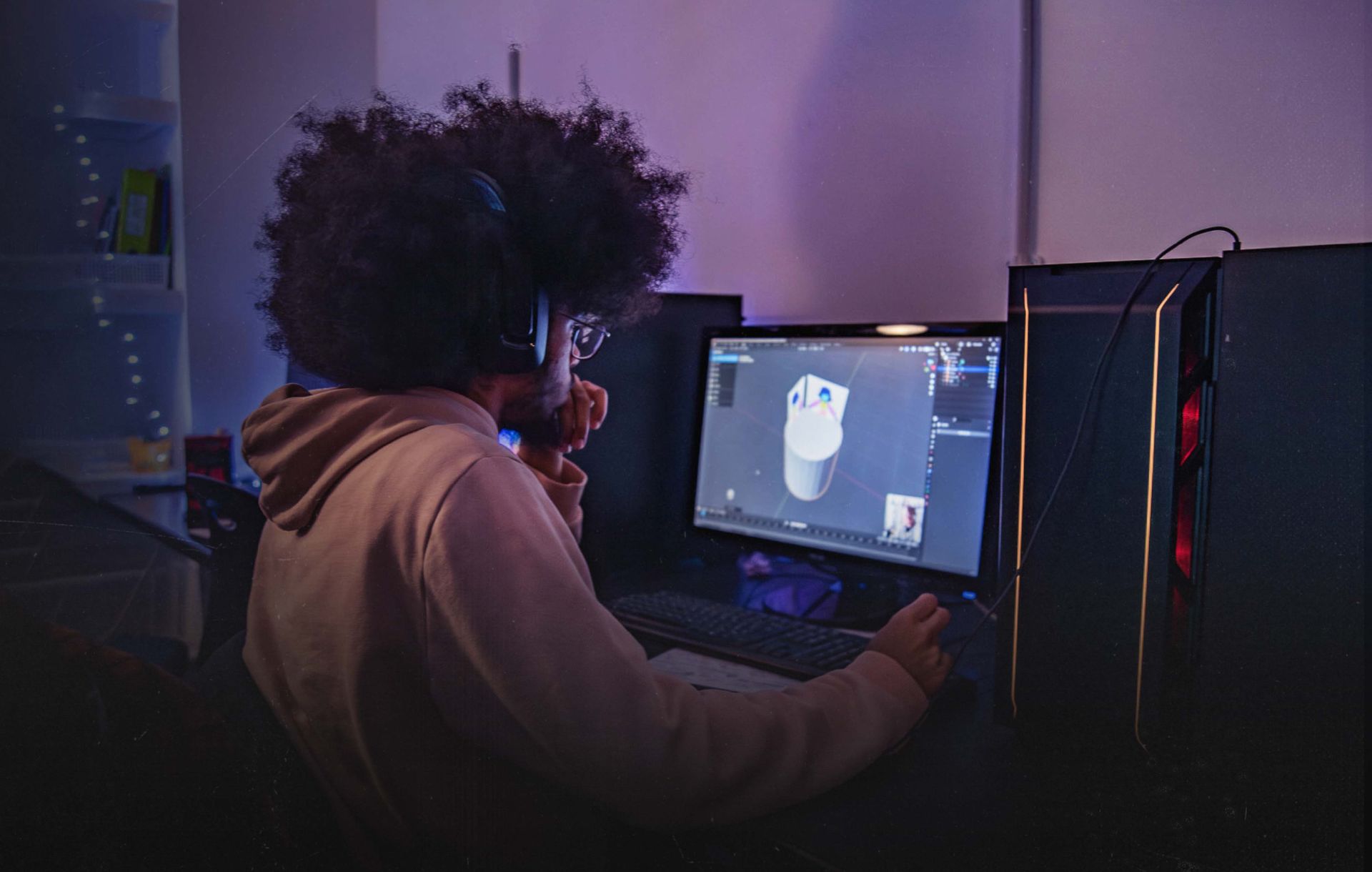
If you’ve ever lost yourself for hours in a game like Grand Theft Auto, Minecraft, or The Last of Us, you’ve experienced the work of talented game designers. These are the creative minds who build the worlds, craft the challenges, and design the experiences that keep millions of players coming back for more.
Want to be the one creating those experiences? The gaming industry is booming – worth over £250 billion globally – and there’s never been a better time to break into game design. But success in this field requires more than just a love of playing games.
1. Creativity and art skills (traditional and digital)
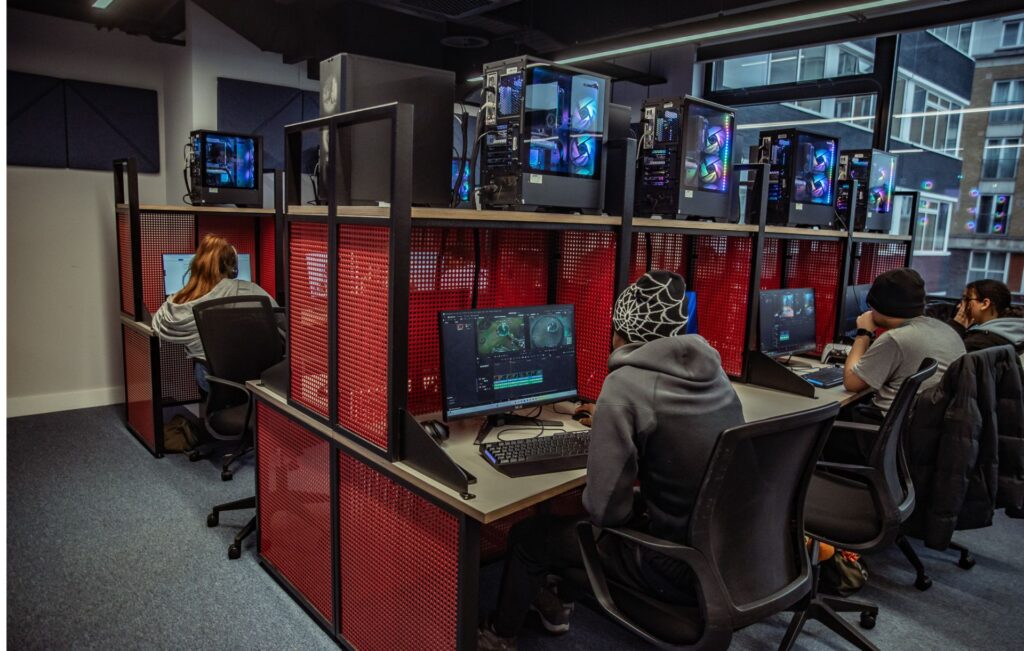
Let’s start with the obvious one: game designers need to be creative. But it’s not just about having wild ideas – it’s about being able to translate those ideas into something players can see, feel, and interact with.
Your creativity needs to work on multiple levels. You’re creating characters that players will care about, worlds they’ll want to explore, and challenges that keep them engaged without frustrating them. You’re thinking about everything from the colour palette of a level to the way a character moves across the screen.
Art skills are a massive part of this. Whether you’re working with traditional drawing techniques or digital tools, having a strong foundation in art helps you communicate your vision. You don’t necessarily need to be the person creating every single asset in the game, but understanding the principles of good design – composition, lighting, perspective, colour theory – makes you a better designer.
The best game designers can sketch out their ideas quickly to show their team what they’re thinking. They understand how to create environments that are both visually stunning and functional for gameplay. It’s about making worlds that don’t just look good, but feel right to play in.
2. Technical proficiency in tools
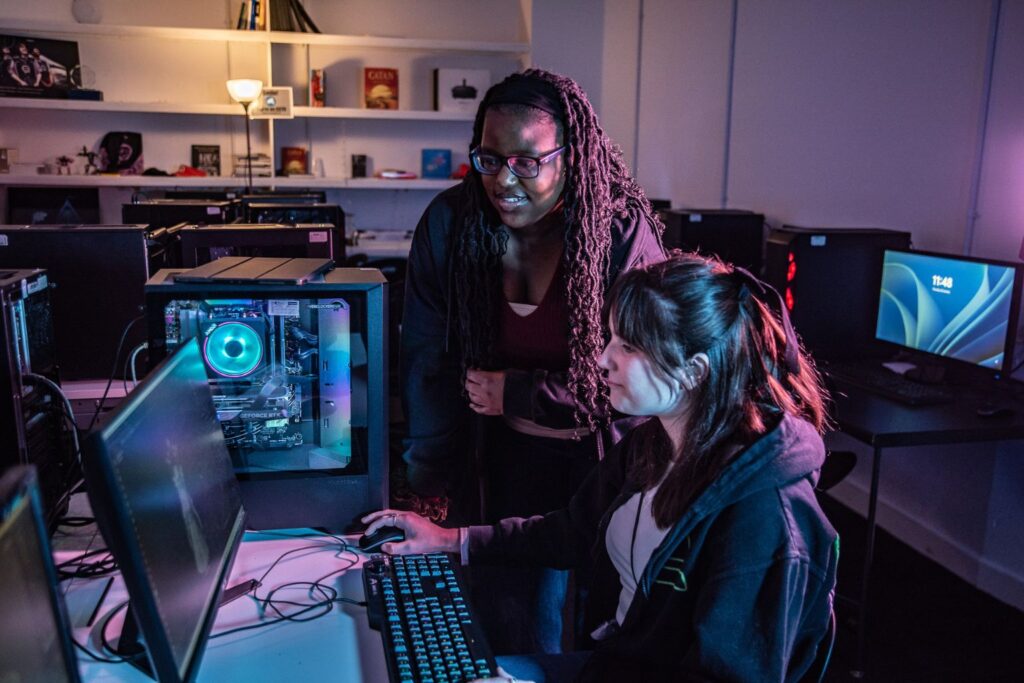
Creativity generates ideas, but technical skills bring them to life. Modern game design requires you to be comfortable with a range of software, design tools and, increasingly, with at least some level of coding.
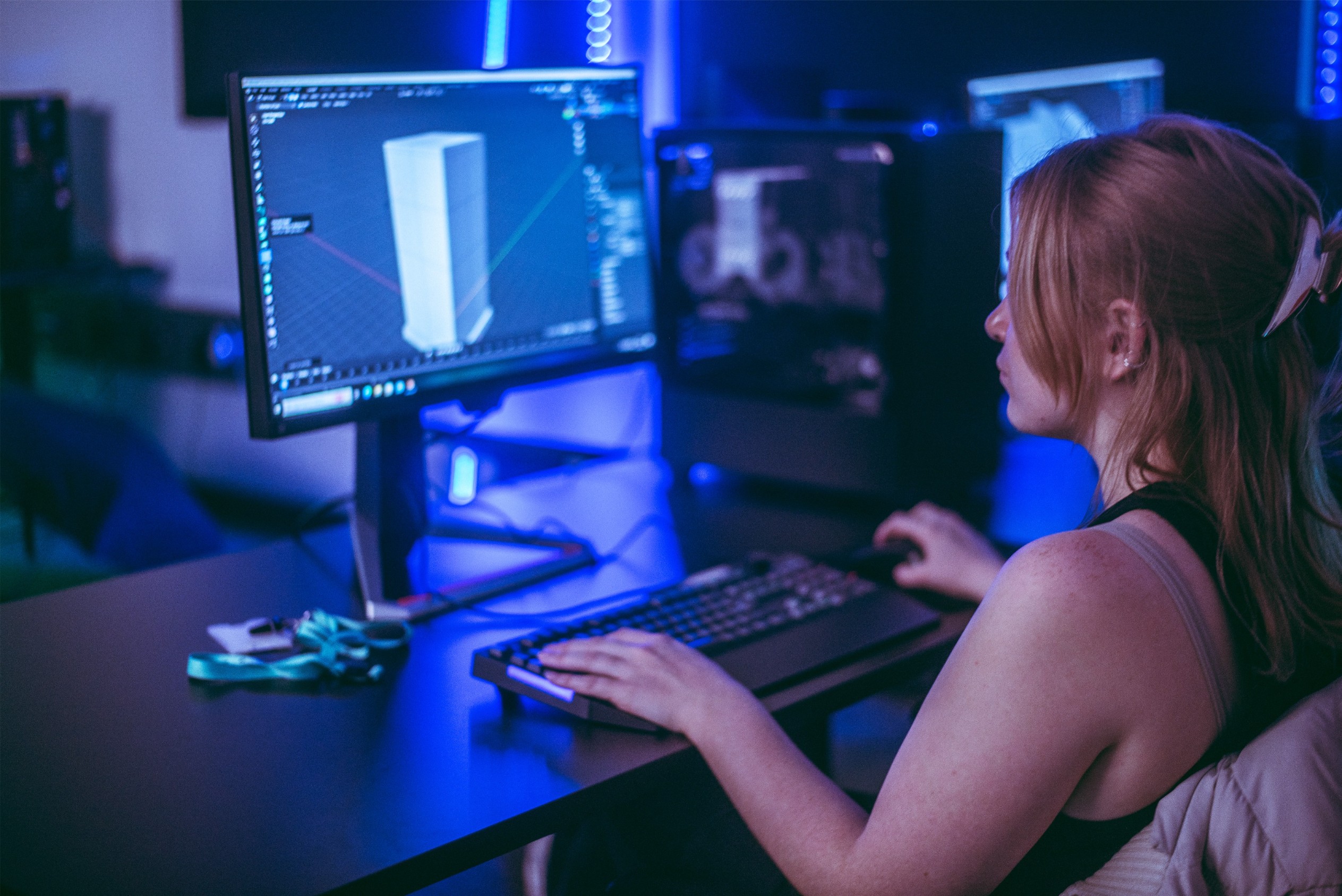
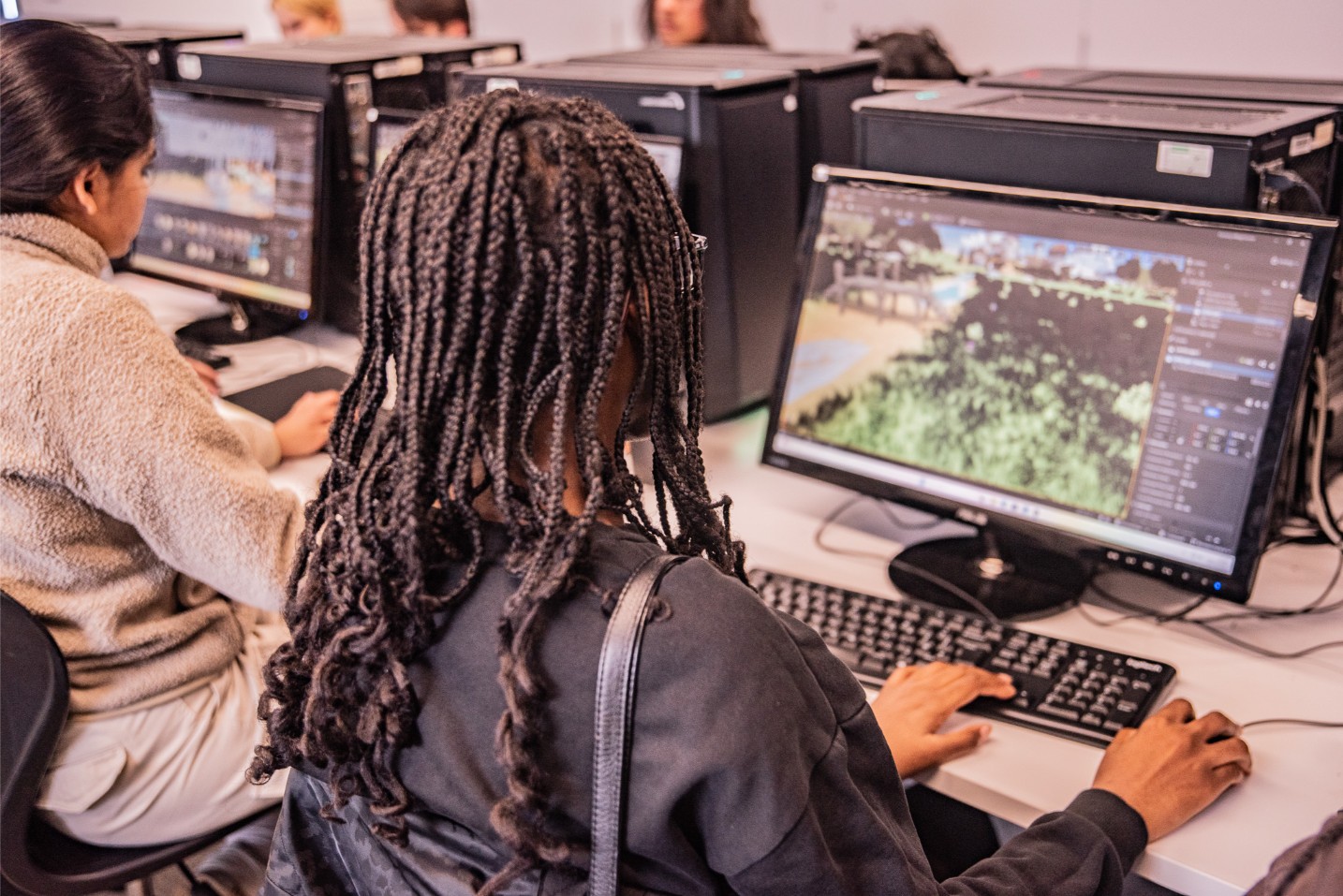
Game engines are where the magic happens. Unity and Unreal Engine are the two biggest players, and knowing your way around at least one of them is non-negotiable for most game design roles. These engines let you build levels, implement game mechanics, test your ideas, and turn concepts into playable experiences.
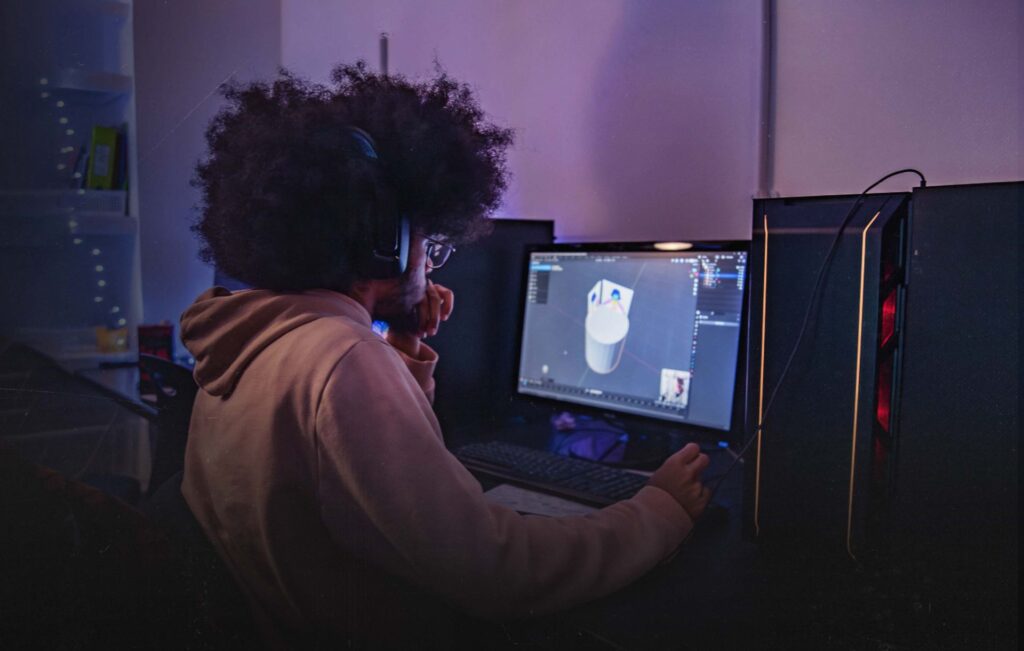
Beyond game engines, you’ll work with software for creating and editing art, animation, and sound. Programs like Blender for 3D modelling, Adobe After Effects for motion graphics, and various audio editing tools all come into play depending on your specific role. Do you need to be a programmer? Not necessarily, many game design roles focus on creative direction rather than coding. However, understanding the basics of programming helps enormously.
3. Clear communication and teamwork skills
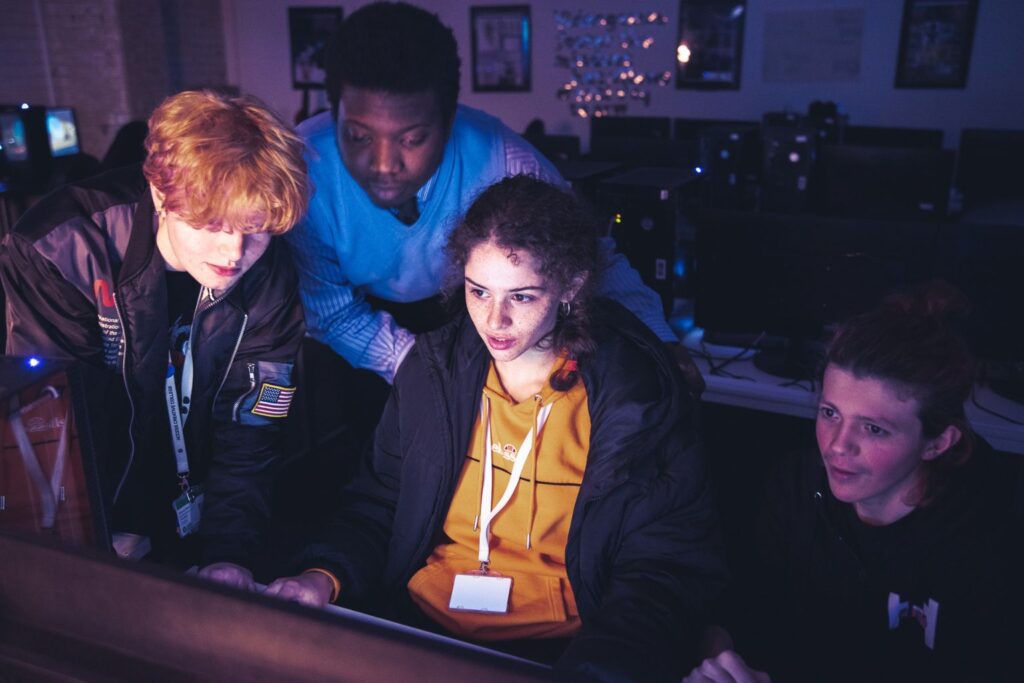
Here’s something that surprises many aspiring game designers: you’ll spend as much time communicating with people as you will designing games.
Game development is fundamentally collaborative. You’re working with artists who create the visuals, programmers who make everything function, audio designers who craft the soundscapes, writers who develop the narrative, and producers who keep everything on track. Each person brings specialised expertise, and your job as a designer is often to be the person who ties it all together.
This means you need to communicate your vision clearly. When you have an idea for how a level should work, you need to explain it in a way that makes sense to someone who specialises in coding, storytelling, or sound design.
Teamwork also means understanding that when you miss a deadline, it affects everyone else on the project. Game development works on tight schedules, and your teammates are counting on you to deliver your part so they can do theirs.
4. Attention to detail
Great games are made up of thousands of small details working together perfectly. Miss one, and the whole experience can fall apart.
Attention to detail in game design means different things at different stages of development. Early on, it might mean carefully balancing the difficulty curve so players are consistently challenged but never overwhelmed. Later, it could mean meticulously testing every possible player action to find bugs before release.
This skill extends to how you document your work. Game design involves creating detailed design documents, flowcharts, and specifications that other team members use to build the game. These need to be thorough, clear, and accurate. A small mistake in your documentation can lead to hours of wasted work for your team.
5. Problem-solving and critical thinking
If there’s one skill that ties all the others together, it’s problem-solving. Game design is essentially a series of problems waiting to be solved creatively.
Some problems are technical, others are creative. Problem-solving in game design involves analytical thinking, creativity, logic, research, and collaboration. You need to be able to break down large, complex challenges into smaller, manageable pieces. You need to think systematically about how different elements of your game interact with each other.
Your next move

Ready to develop these skills and start your journey into game design? Our Level 3 Games Design course gives you hands-on experience with all five of these essential skills.
You’ll work with industry-standard tools like Unity and Unreal Engine, develop your artistic abilities with both traditional and digital techniques, and build a portfolio of games that showcase your creativity and technical abilities. Our tutors have real industry experience and will guide you through every aspect of game design, from initial concept to finished product.
The gaming industry is waiting for fresh talent with new ideas. Applying to study with us takes less than two minutes, and we have interviewers ready and waiting to speak to you.