
You’ve probably spent years honing your craft, building your portfolio, and dreaming about your creative career. But when it comes to landing that first role in the industry, talent alone isn’t always enough, so what exactly are employers looking for when they’re hiring creative graduates?
A strong portfolio
Let’s start with the obvious one: your portfolio. But here’s the thing, employers aren’t just looking for pretty pictures or impressive technical skills (though those certainly help). They’re looking for work that demonstrates your creative thinking, your process, and your ability to solve problems.
Your portfolio should tell a story about who you are as a creative professional, so include projects that show variety, but are also coherent. Employers want to see that you can work across different briefs and styles, but they also want to understand your unique voice and perspective.
Most importantly, be ready to talk about your work. Employers want to hear about your creative decisions, the challenges you faced, and how you overcame them. A beautiful final product is great, but the journey you took to get there is often just as important.
Industry-relevant technical skills
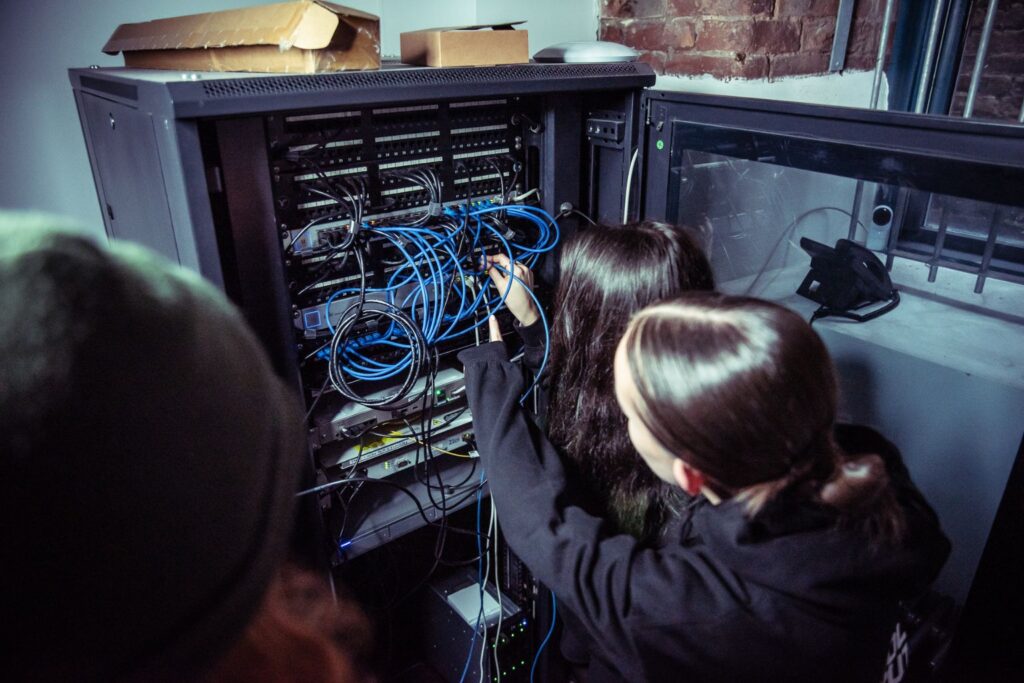
The creative industries move fast, and employers need graduates who can hit the ground running with the tools and software that are standard in their field.
For film and videography, this might mean proficiency in Adobe Premiere Pro, After Effects, or DaVinci Resolve. For music production, it could be Logic Pro, Ableton Live, or Avid’s Pro Tools. For game developers, knowledge of Unity or Unreal Engine is often essential. For content creators, an understanding of social media platforms, analytic tools, and content management systems is crucial.
The good news? These skills are entirely learnable, and the right course will give you hands-on experience with industry-standard equipment and software. Employers aren’t expecting you to know everything, but they do want to see that you’re comfortable with the fundamental tools of your trade and eager to keep learning as technology evolves.
Real-world experiences
This is where many creative graduates fall short. You might have an impressive portfolio of college projects, but employers want to see evidence that you’ve worked in real-world scenarios, ideally with actual clients or on industry placements.
Because working to a brief set by a real client is fundamentally different from working on a college assignment, there are tighter deadlines, more stakeholders, compromise, iteration, and the pressure of delivering something that will actually be used in the real world.
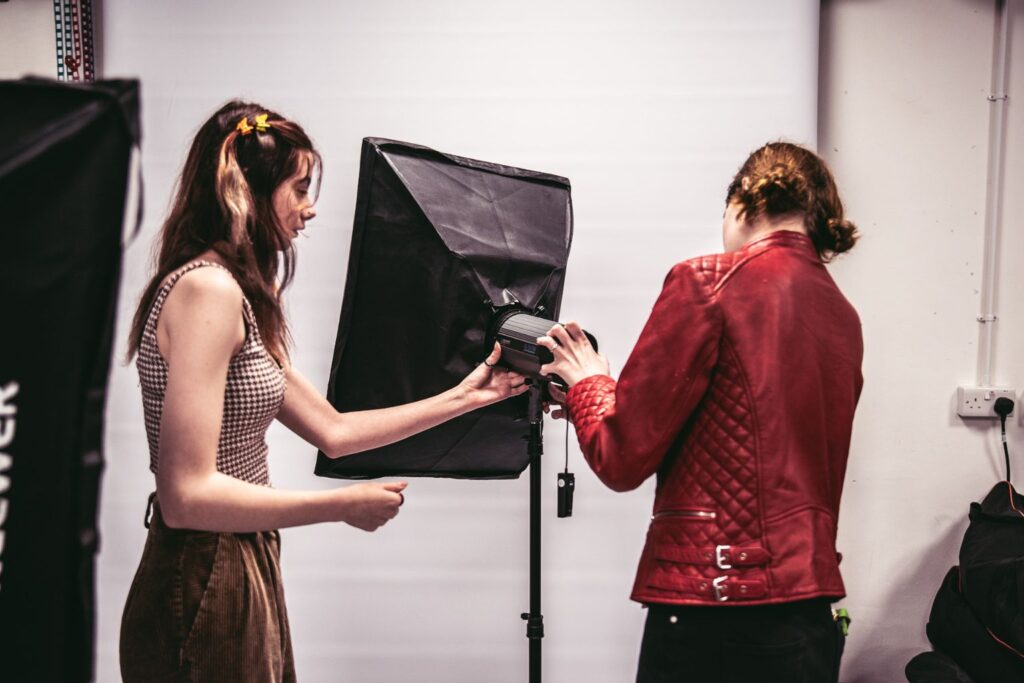
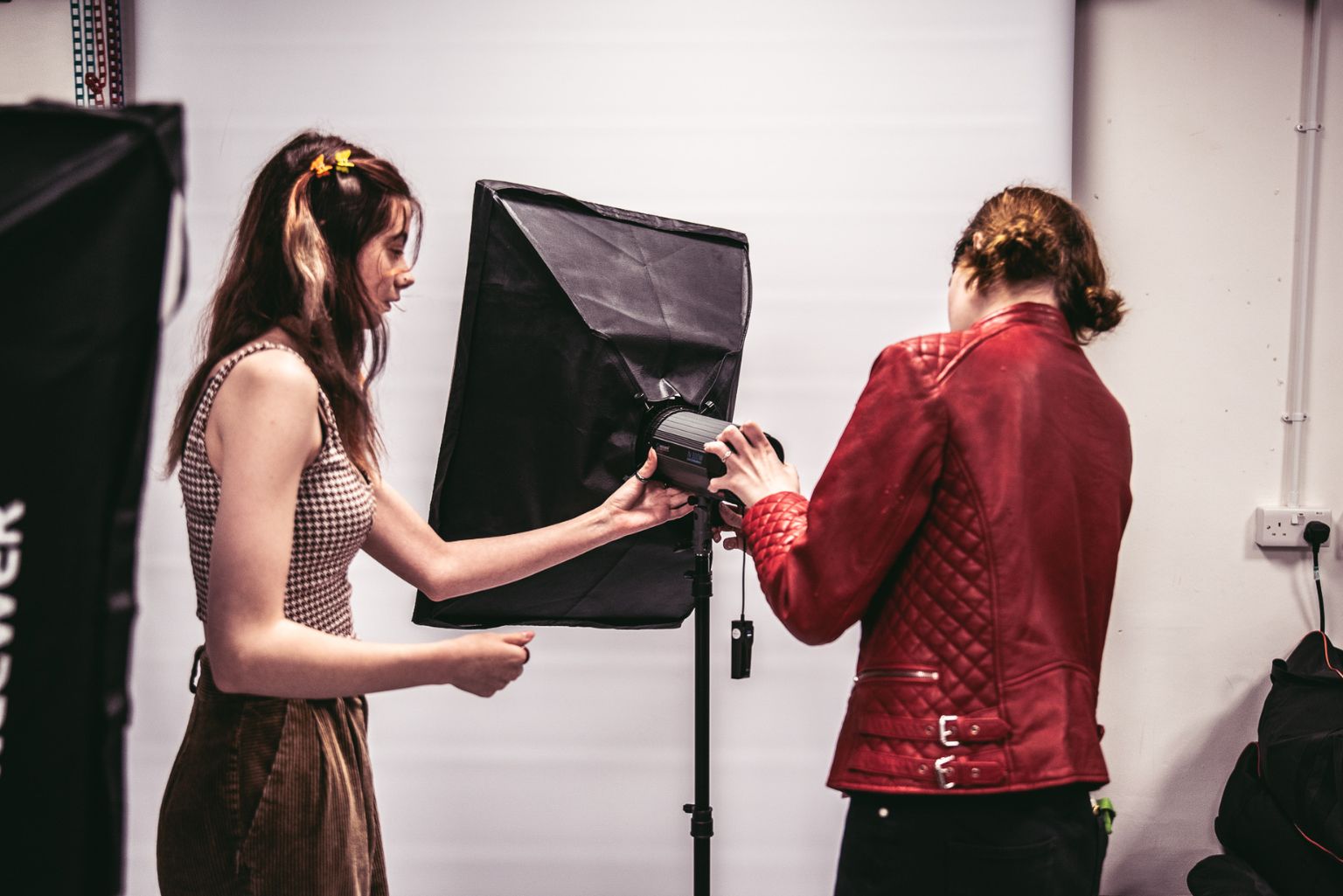
This is why industry placements, work experience, and live briefs are so valuable. They give you stories to tell in an interview, references from industry professionals, and proof that you understand what working in the creative industries actually involves. Even freelance work, volunteer projects, or collaborations with local businesses count; anything that shows you’ve applied your skills outside the classroom will set you apart.
Collaboration and communication skills
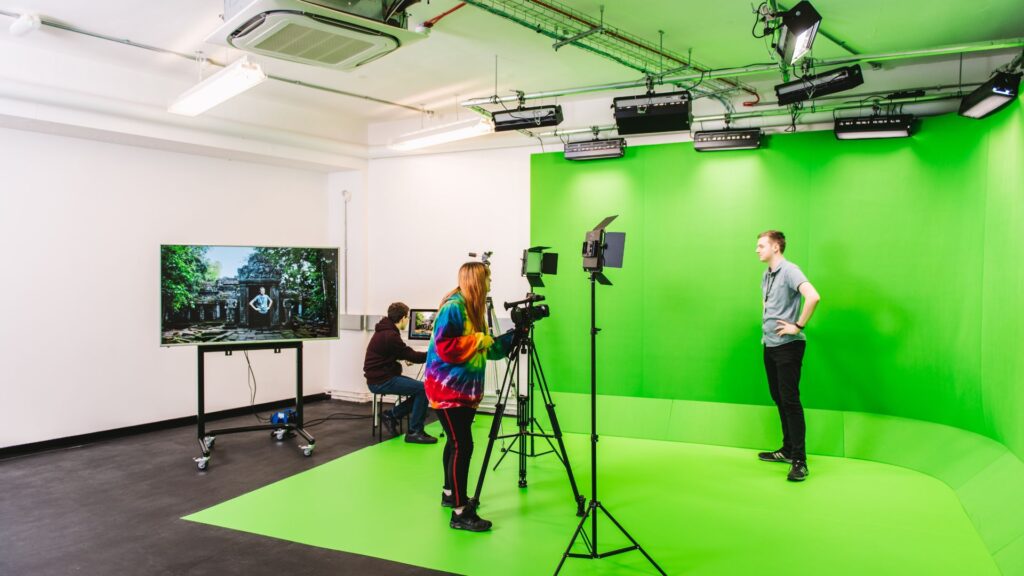
Here’s a truth that might surprise you: many of the best creative jobs aren’t about working alone in a studio perfecting your skillset; they’re about collaborating with teams, communicating with clients, and bringing other people’s visions to life alongside your own.
Employers consistently tell us that communication skills are one of the most important qualities they look for in graduates. Can you explain your ideas clearly? Can you take feedback constructively? Can you work effectively with people from different disciplines? Can you manage your time and meet deadlines?
The creative industries are fundamentally collaborative, whether you’re a filmmaker working with a crew, a games designer coordinating with programmers and artists, or a music producer liaising with artists and labels, your ability to work well with others will directly impact your career success.
A professional attitude and work ethic
Talent will get you noticed, but professionalism will get you hired and keep you employed.
But what does professionalism look like for a creative graduate? It means turning up on time (whether that’s to a shoot, a meeting, or submitting work). It means communicating clearly and promptly. It means being reliable, taking initiative, and treating every project, no matter how big or small, with the same level of care and attention.
It also means being open to feedback and willing to iterate on your work. The creative industries can be tough, and not every idea you pitch will be the one that gets made.
Employers want graduates who can take constructive criticism, adapt their approach, and keep pushing forward without losing enthusiasm or confidence.
Passion and cultural awareness

Employers can spot genuine passion from a mile away, and they admire it highly. They want to hire people who live and breathe their craft, who stay up to date with industry trends, who consume and critique creative work in their field, and who genuinely care about what they do.
This means staying informed about what’s happening in your industry. If you’re a filmmaker, you should be watching films and keeping up with emerging directors. If you’re a music producer, you should be listening widely and understanding current production trends. If you’re a games designer, you should be playing games critically and following industry developments.
Cultural awareness also means understanding the broader context of your work, the social, political, and cultural conversations happening around creative content. Employers increasingly value graduates who can think critically about representation, accessibility, and the impact of creative work on diverse audiences.
Adaptability
The creative industries are constantly evolving with new technologies emerging, audience preferences shifting, and what worked yesterday might not work tomorrow. Employers need graduates who can roll with these changes and see them as opportunities rather than obstacles.
A growth mindset means being hungry to learn, willing to try new things, and resilient in the face of setbacks. It means not being precious about your work or your way of doing things. It means understanding that your education doesn’t end when you graduate, and you will be constantly learning and advancing your skillset.
Employers value graduates who ask questions, seek out new challenges, and actively work on developing their skills even after they’ve landed a job.
How to develop what employers want
Reading this list might feel overwhelming, but the good news is that all of these qualities can be developed with the right education and opportunities.
This is exactly what we focus on at Access Creative College! Our courses aren’t just about teaching you technical skills; they’re about preparing you for the reality of working in the creative industries. Through industry placements, live briefs, collaborative projects, and access to professional-standard equipment and software, you’ll graduate with exactly the kind of experience and skills that employers are actively looking for.
You’ll work on real projects, build genuine industry connections, and develop both the creative expertise and the professional skills that will set you apart in a competitive job market. You’ll learn from tutors who’ve worked in the industry and understand what it really takes to succeed. And you’ll graduate not just with a qualification, but with a portfolio, experience, and the confidence to start your creative career on the right foot.
Get started with Access Creative College
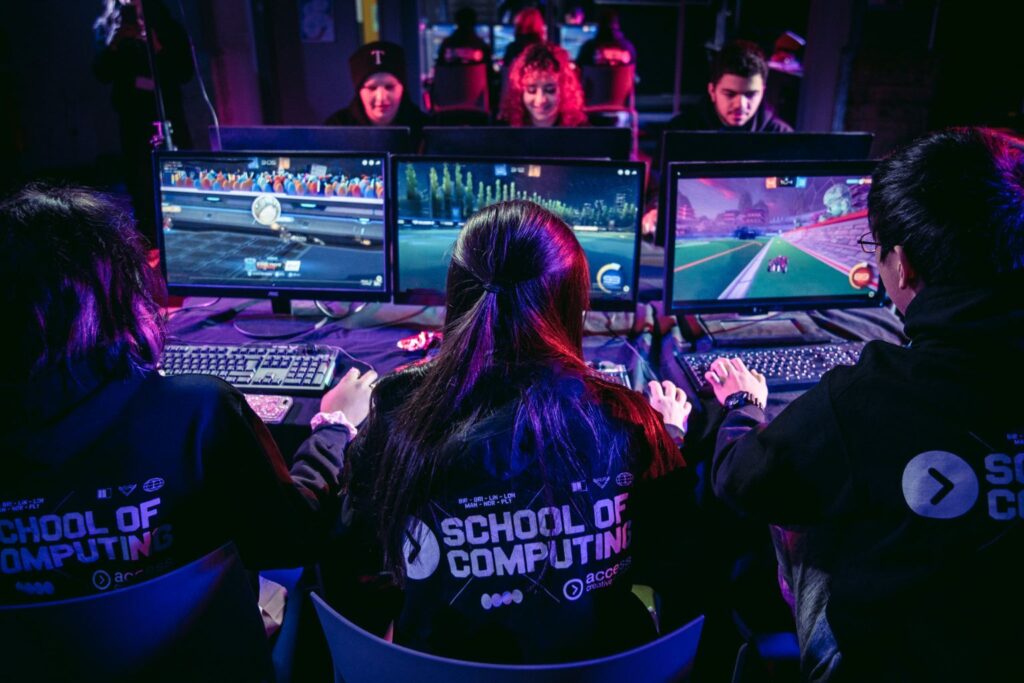
Our courses are designed to equip you with the knowledge and experience of working in your dream industry with the relevant qualifications to advance on to university if you wish to do so, giving you everything you need to launch your creative career.
If you want to start your creative career, sign up for one of our Open Days or other events to see life at Access Creative College!
Applying takes less than two minutes, and our applications team is ready to discuss which pathway is right for you!