
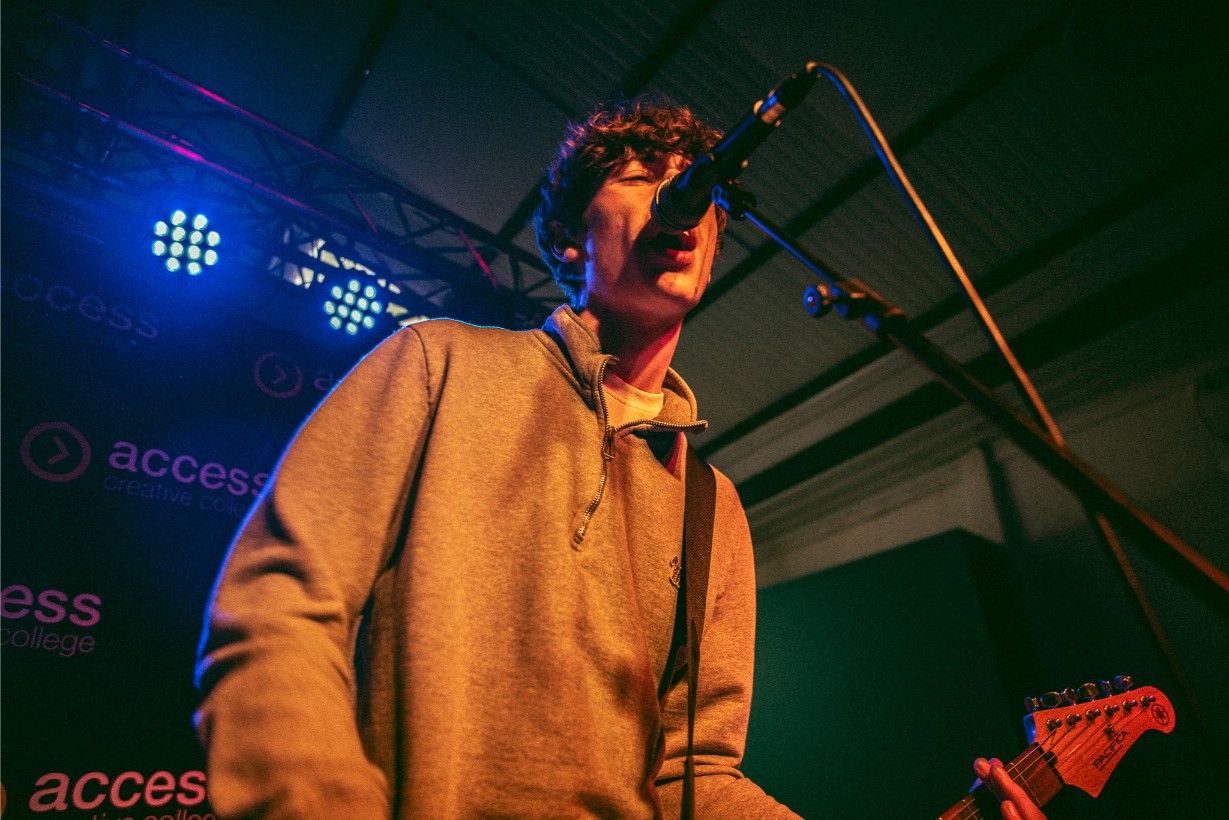
Performing or releasing music on your own is one of the most creatively rewarding things you can do, and also one of the most exposing. When you’re part of a band or a collective, the pressure is shared – but as a solo artist, everything from the songwriting to the performance to the way you present yourself to the world sits entirely with you.
Confidence isn’t something you either have or you don’t; it’s something you build, gradually and deliberately, through experience, preparation, and a willingness to keep going even when things feel uncomfortable.
Understand that confidence comes after action, not before it
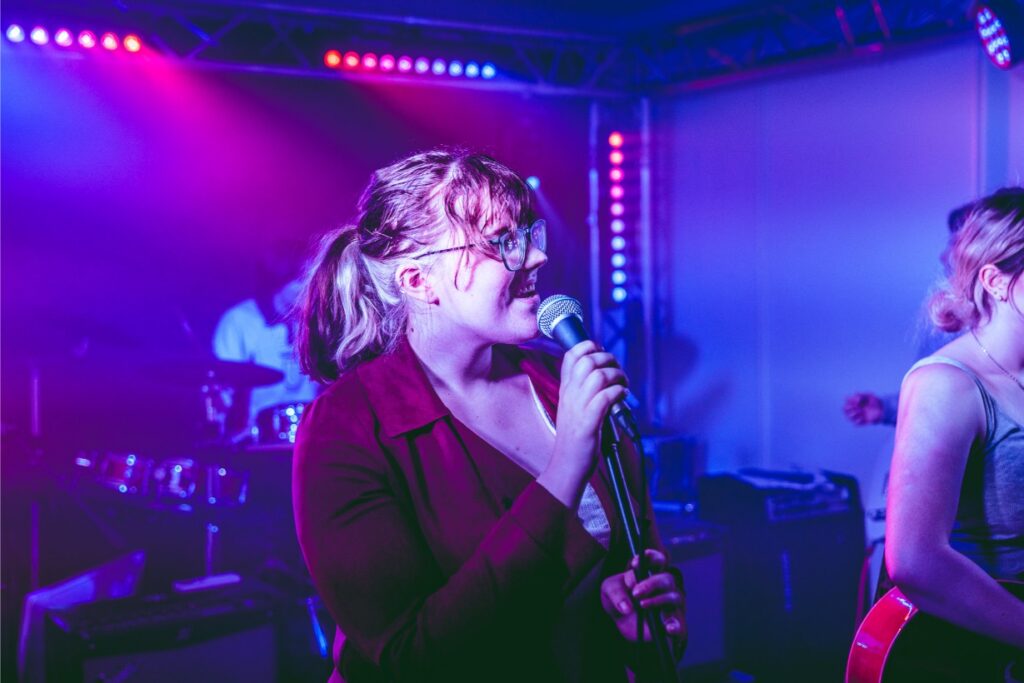
One of the most common misconceptions about confident performers is that they stepped onto a stage or into a studio already feeling sure of themselves. In most cases, the opposite is true. Confidence tends to follow experience rather than precede it, which means waiting until you feel ready before you start putting yourself out there will only delay the process.
The first open mic night will feel nerve-wracking. The first time you post an original track online will feel exposing. The first time you perform to an audience that doesn’t consist entirely of your friends will feel genuinely daunting. All of that is completely normal, and none of it means you’re not cut out for it – it just means you’re at the beginning of the process rather than the end of it.
Start in low-stakes environments
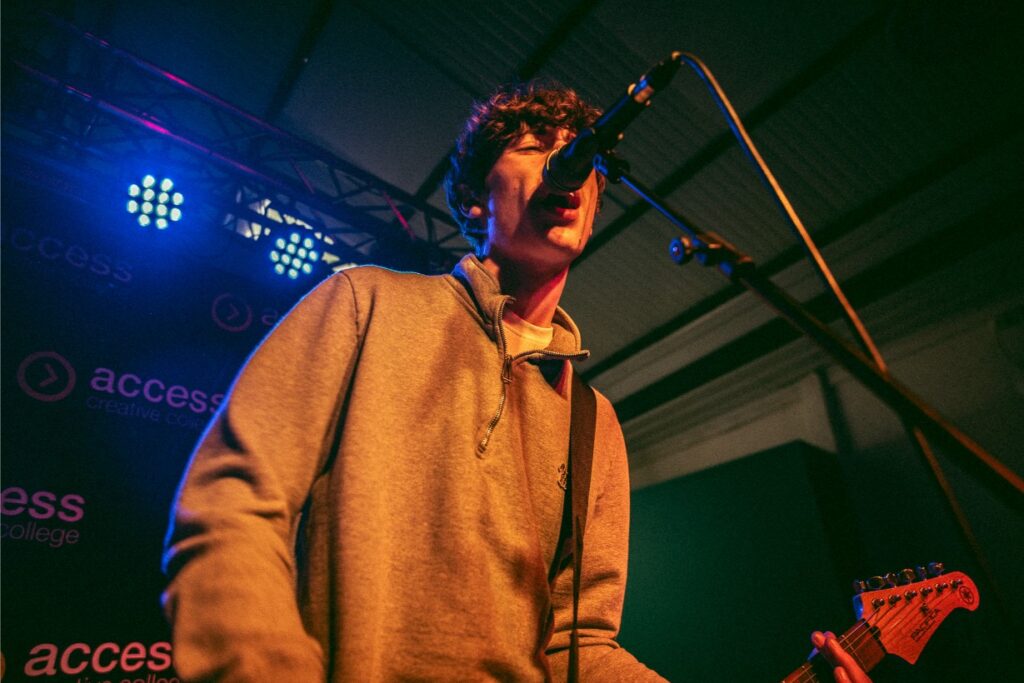
Open mic nights are one of the best places to begin building confidence as a solo performer, precisely because the expectations are low and the audiences tend to be supportive. Most people in the room are either fellow musicians who understand exactly what it feels like to be up there, or regulars who turn up specifically to hear new artists. Getting a handful of these under your belt gives you a much clearer sense of how your material lands, how your stage presence reads to an audience, and what you want to work on before you’re playing to bigger crowds.
Record yourself, even when it’s uncomfortable

Watching or listening back to recordings of your own performances is one of the most effective ways to improve quickly, even if it’s also one of the most uncomfortable. Most artists find it cringe-inducing at first, but the information you get from watching yourself perform is genuinely difficult to access any other way.
You’ll notice things about your body language, your vocal delivery, and your stage presence that you simply can’t pick up on in the moment, and that awareness is the starting point for making real, tangible improvements. Even recording a rough practice session on your phone and watching it back before your next rehearsal can make a noticeable difference over time.
Build a set you know inside out
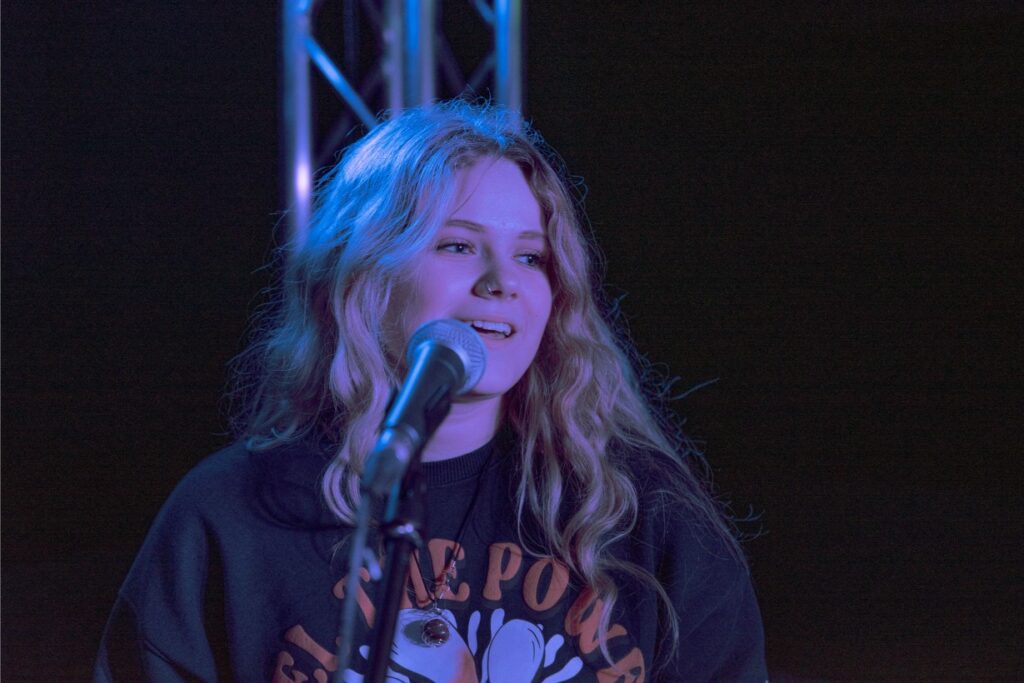
A lot of performance anxiety comes from uncertainty, the fear that you’ll forget lyrics, lose your place, or make a mistake in front of people. The most reliable antidote to that is preparation. Knowing your material so thoroughly that you could perform it half-asleep removes a significant chunk of the mental load on stage, leaving more space to actually connect with the audience and enjoy the experience rather than just surviving it.
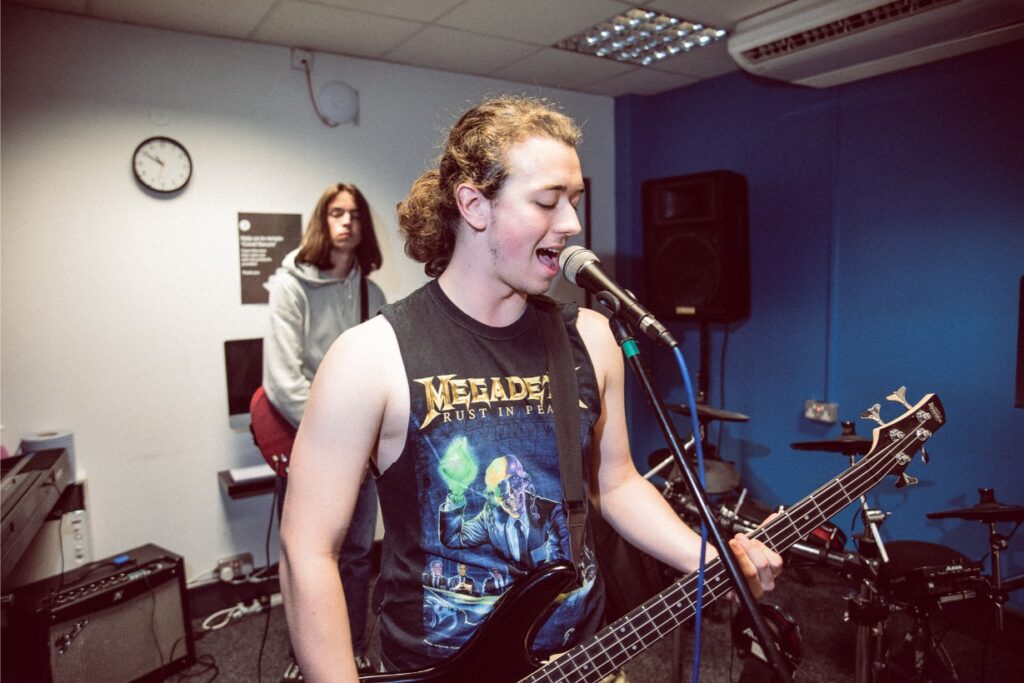
Rehearsing in conditions that approximate a live performance, standing up, singing at full volume, running the set from start to finish without stopping, is far more useful than quietly running through songs in your bedroom, however tempting the latter might be.
Work on your stage presence separately from your music

Stage presence is its own skill, and it’s one that a lot of solo artists neglect because they’re focused entirely on the quality of their music. How you move, how you speak between songs, where you look, and how you hold yourself all communicate something to an audience, and developing that awareness takes deliberate practice.
Watching live footage of artists you admire, paying attention specifically to what they do when they’re not singing, is a useful starting point. You don’t need to copy anyone else’s approach, but noticing what works and why helps you make more intentional choices about how you want to come across as a performer.
Connect with other artists

Building confidence doesn’t have to be a solitary process, even if the work itself is. Surrounding yourself with other musicians, whether through college, local music scenes, or online communities like Reddit, gives you access to honest feedback, shared experience, and the reassurance that everyone is navigating the same doubts and insecurities to some degree.
Collaborating with other artists on projects, even occasionally, can also push you creatively in directions you wouldn’t have found on your own, and the relationships you build tend to be some of the most valuable things you take away from your early career.
Use social media on your own terms
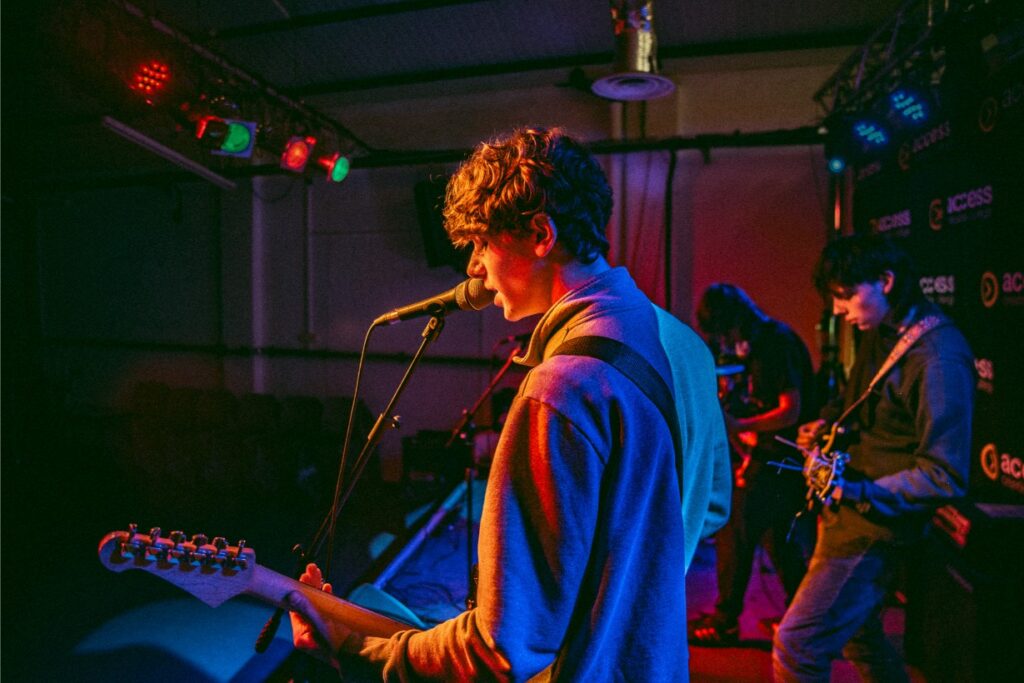
Putting your music online can feel like one of the more exposing parts of being a solo artist, particularly when you’re still developing your sound and your confidence. The key is to approach it as a tool for building an audience gradually rather than as a performance review that happens in public. Sharing work in progress, writing about your creative process, and giving people a genuine sense of who you are as an artist tends to resonate more than waiting until everything is polished before you post anything.
Consistency matters more than perfection at this stage, and the artists who build real followings online are usually the ones who show up regularly and honestly rather than those who disappear for months and reappear only when they have something to promote.
Take it further at Access Creative College
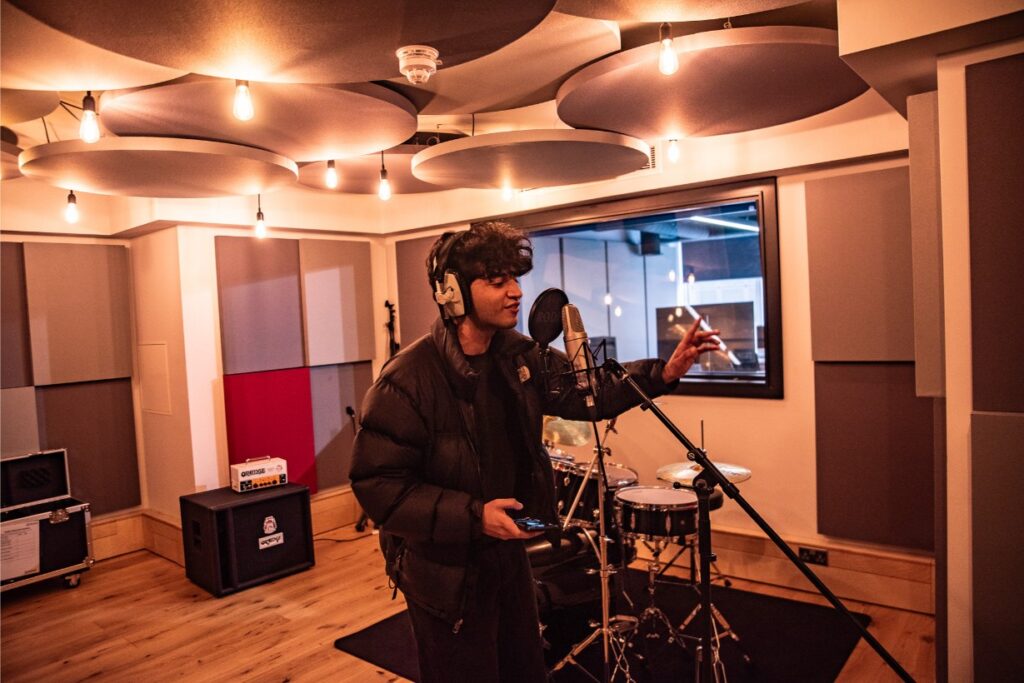
Building confidence as a solo artist is much easier when you’re doing it in an environment that actively supports creative development and gives you real opportunities to perform, experiment, and grow.
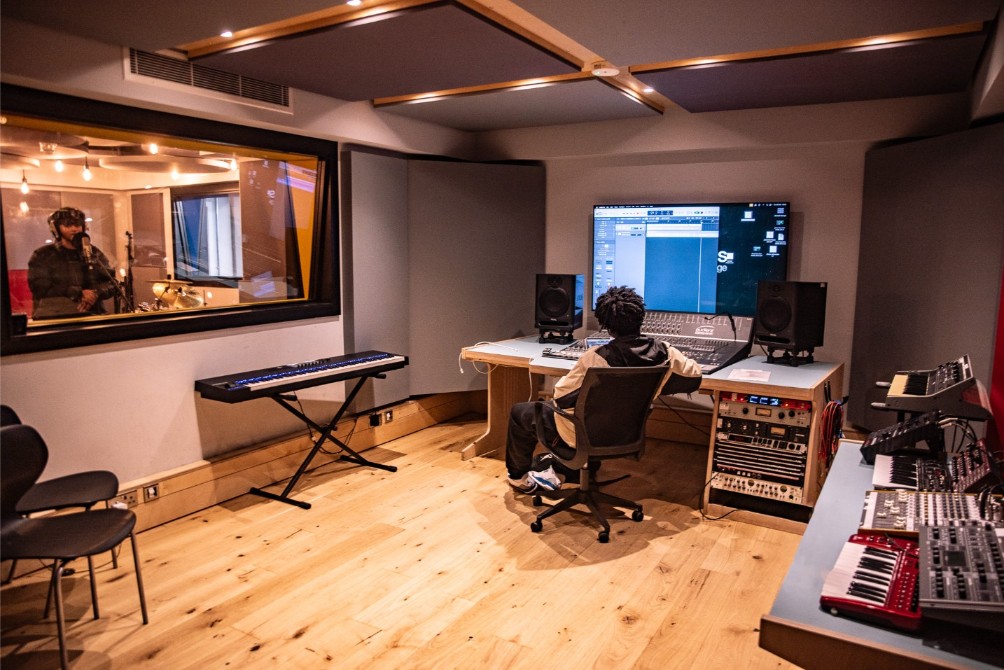
At Access Creative College, our music courses are designed around exactly that, giving you access to professional studios, live performance spaces, and tutors with genuine industry experience who understand what it takes to build a sustainable career as an artist. Whether you’re focused on songwriting, production, or performance, studying at Access Creative means you’re surrounded by people who take the craft as seriously as you do. Find out more and apply for September at a campus near you.