


Visual effects, the craft behind the creatures, environments, and impossible shots that make films, TV shows, and games feel real, is one of the most technically demanding and genuinely exciting fields in the creative industries.
The UK’s screen industry workforce, covering film, television, VFX, and post-production, was estimated at between 183,000 and 194,000 people in 2024, and VFX sits at the more specialist end of that picture, which means skilled practitioners are consistently in demand. If you’re 16 and seriously considering this as a career path, the good news is that starting now puts you ahead of a lot of people who wait until university to pick up the fundamentals.
What does a VFX artist actually do?
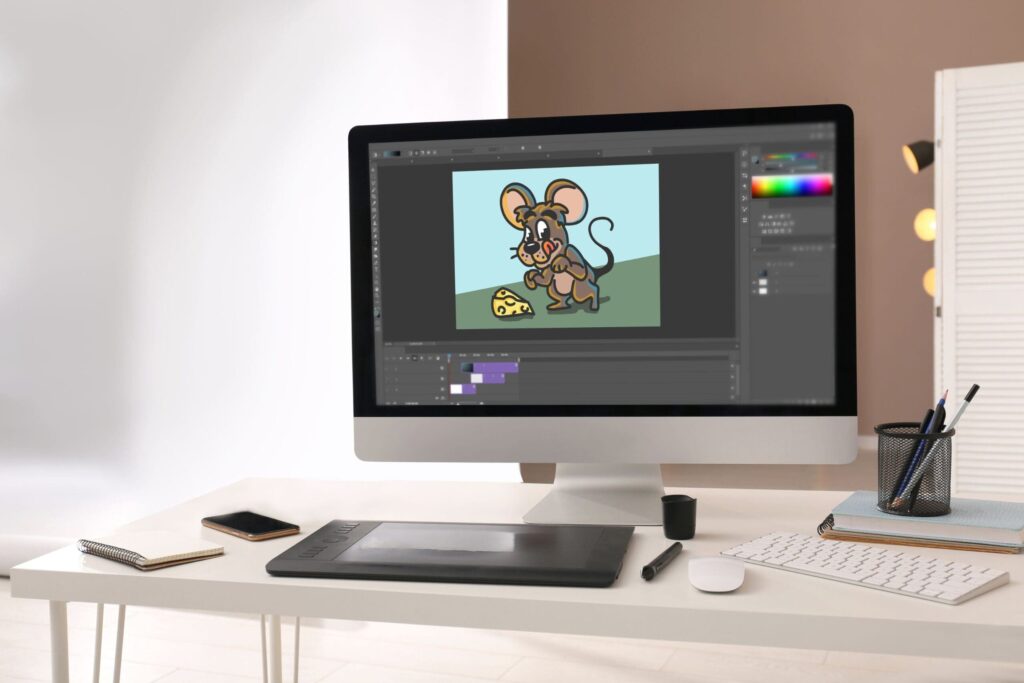
VFX artists create the digital imagery that gets seamlessly woven into live-action footage, everything from fire, smoke, and water simulations to entirely computer-generated characters, environments, and crowd sequences. Most VFX artists work in the entertainment industry on projects such as films, television shows, and video games, producing complex visual effects, including animation and computer-generated imagery.
It’s a discipline that sits at the crossroads of art and technology, which means the strongest practitioners tend to be people who are genuinely interested in both, those who enjoy solving technical problems just as much as they enjoy the creative side of the work.
The field also covers a range of more specific roles, including compositing, where live-action footage is combined with CGI elements, and 3D modelling, which is an earlier stage in the pipeline where characters, environments, and objects are built digitally. Understanding which of these areas interests you most is worth thinking about early, since most VFX professionals eventually specialise.
The technical skills you’ll need
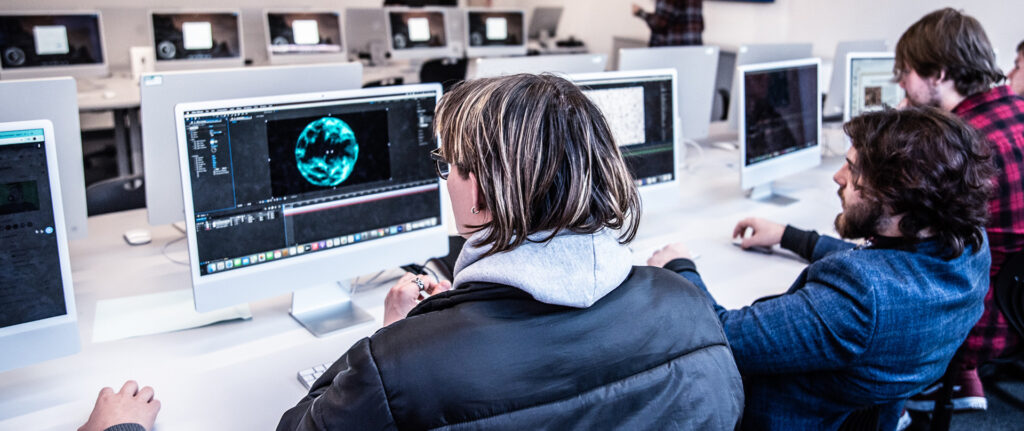
Getting to grips with industry-standard software is the most important practical step you can take at this stage. VFX artists are expected to be proficient with tools such as Adobe After Effects, alongside 3D software like Maya and Blender. The good news is that several of these tools have free or student versions available, so there’s nothing stopping you from starting to learn before you’re even enrolled on a college course.
Blender, Maya, and ZBrush are among the main tools used by professional modelling artists, and Blender in particular is a strong starting point given that it’s free and widely used across both VFX and games. Getting comfortable with even one or two of these tools before starting a formal course will give you a genuine head start.
The creative skills that matter just as much

Software knowledge alone won’t get you far without a solid grounding in the underlying creative principles. Even basic VFX skills require an understanding of the principles of animation, including timing, spacing, easing, and overlapping action. A strong visual awareness, meaning a good eye for light, colour, texture, and composition, is equally important, since the entire job involves making digital elements look as though they belong in the real world.
The ability to draw and a working understanding of form, colour, and texture are genuine assets for modelling artists, and that applies more broadly across VFX disciplines too. Life drawing, photography, and even just spending time closely observing how light behaves in different environments are all habits that feed directly into the quality of your work.
Building a portfolio from the start
A demo reel is essential for anyone looking to break into VFX, with industry professionals consistently emphasising its importance over formal qualifications alone. Starting to build one at 16 gives you two or three years of material by the time you’re applying for your first role or a higher education course, which is a significant advantage. Even short, self-initiated projects count, and working on low-budget student films or personal experiments is a perfectly valid way to generate content for your reel.
The key is to show range and progression rather than simply volume. A few strong, well-crafted shots that demonstrate genuine technical understanding will always carry more weight than a lengthy reel of work that doesn’t push beyond the basics.
Start your VFX journey at Access Creative College
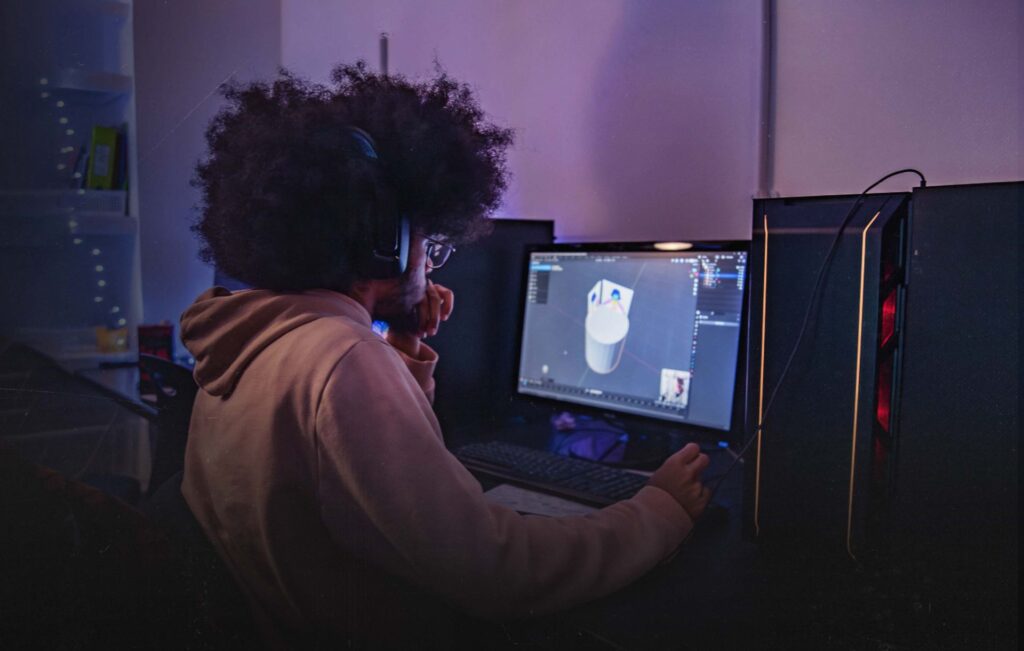
Choosing the right course at 16 can make a real difference to how quickly you progress in a field as technically demanding as VFX. Access Creative College’s Animation and VFX Level 3 course gives students access to media and games labs with industry-standard equipment, and professional software including Adobe Animate, Premiere Pro, Photoshop, Maya, and Blender.
Access Creative College also works in partnership with RenderMan, the award-winning software behind films including Jurassic Park, The Lion King, and Avatar, giving students access to the software and bespoke masterclasses in collaboration with the team behind it. If you’re serious about VFX as a career, find out more about our Animation and VFX course and take a look at what’s available at a campus near you.