
Starting out in filmmaking often comes with one big question: what camera should you actually buy?
With so many options on the market, each promising to be the one that will transform your footage overnight, it’s easy to feel like you need to spend hundreds, if not thousands, of pounds before you can even begin telling stories. The good news is that some of the best work coming out of film schools and student portfolios right now has been shot on far more modest kit than you might expect.
What matters most at this stage isn’t the spec sheet; it’s getting hands-on experience with framing, lighting, movement, and building the confidence to experiment. Whether you’re working with the phone already in your pocket or saving up for your first proper camera, here’s a breakdown of the best budget-friendly options for student filmmakers, and what each one is actually good for.
Your phone
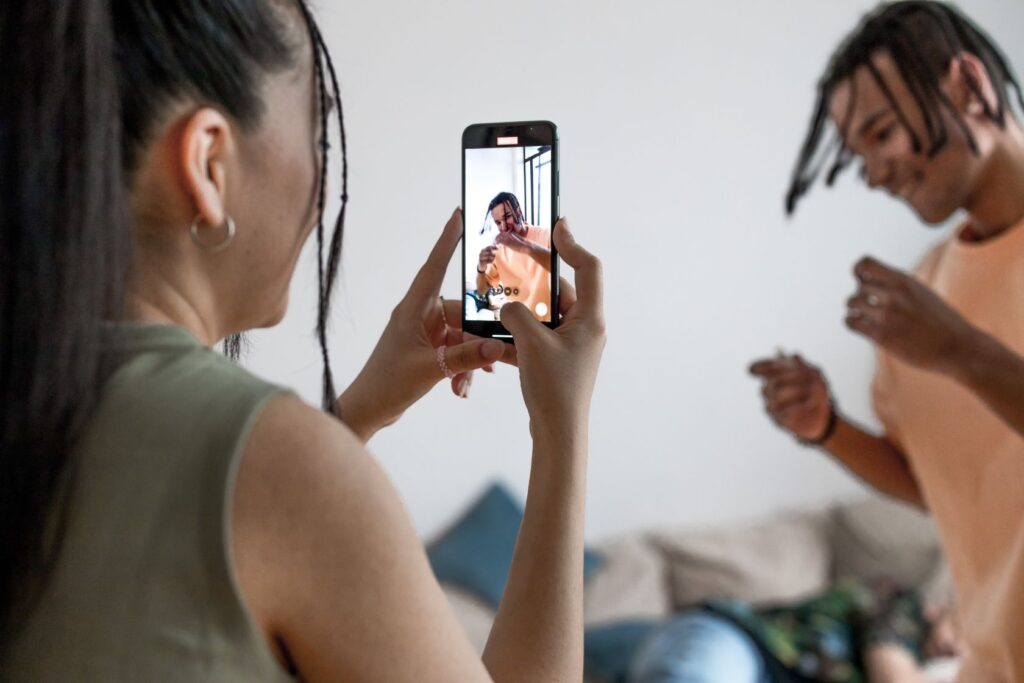
Before splashing out on anything else, it’s worth remembering that the camera already in your pocket is far more capable than you might think.
Most modern smartphones, iPhones and Androids, shoot in crisp 4K, and many come with multiple lenses, letting you switch between wide and zoomed shots without any extra equipment. Plenty of award-winning short films and music videos have been shot entirely on phones, which proves that storytelling and creativity will always matter more than the price tag of your kit. If you’re only just getting started, your phone is the perfect tool for learning the basics of framing, lighting, and movement, and apps with manual controls can help your footage look far more polished than a standard camera app would manage on its own.
Entry-level DSLRs and mirrorless cameras
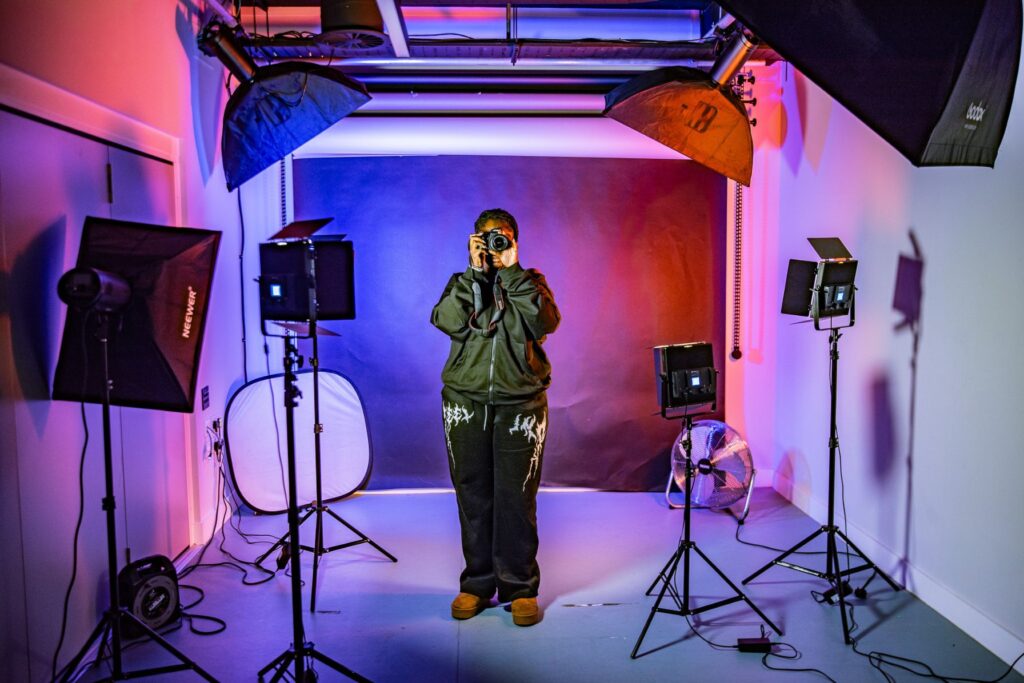
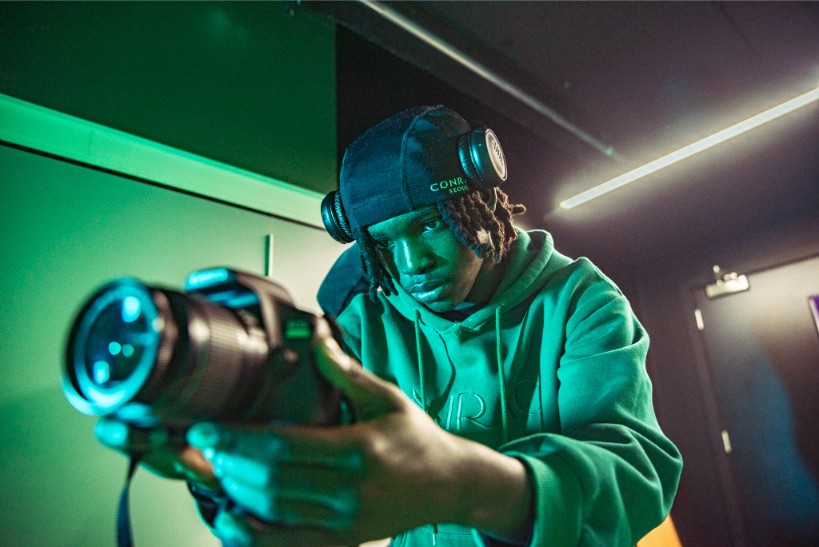
Once you’re ready to step up from your phone, a second-hand DSLR or entry-level mirrorless camera is usually the next sensible move, and you don’t need to spend a fortune to get something genuinely useful.
Cameras such as the Canon EOS 250D have built a strong reputation among film students for striking a solid balance of quality, usability, and flexibility without being overwhelming for beginners. The autofocus won’t be the fastest, and you’ll notice some cropping when shooting in 4K, but the trade-off is a camera that’s smooth, silent, and genuinely easy to learn on. Buying second-hand can stretch your budget considerably further, so it’s well worth checking reputable used camera retailers before committing to anything new.
Micro Four Thirds cameras
For students who want a bit more creative control without jumping into expensive cinema camera territory, Micro Four Thirds models such as the Panasonic Lumix G7 deserve a serious look. Even though it’s an older model, it remains popular because Panasonic built in proper manual exposure controls, focus peaking, zebra stripes, and a headphone jack, all features that most budget cameras still skip.
It produces sharp 4K footage, and because the sensor is smaller, your lenses effectively reach further, which is handy if you don’t have the budget for a wide lens collection yet. As with most cameras in this bracket, autofocus is the main compromise, so it suits slower, more deliberate shooting styles better than fast-paced action work.
Compact and vlogging cameras
If your project leans more towards YouTube content, behind-the-scenes filming, or fast-turnaround projects, a compact vlogging-style camera might suit you better than a traditional interchangeable lens setup. Cameras in this category are designed to make filming as simple as possible, with reliable autofocus and strong low-light performance built in as standard. They tend to be smaller and lighter too, which makes them far easier to carry between lectures, shoots, and part-time jobs.
Action cameras
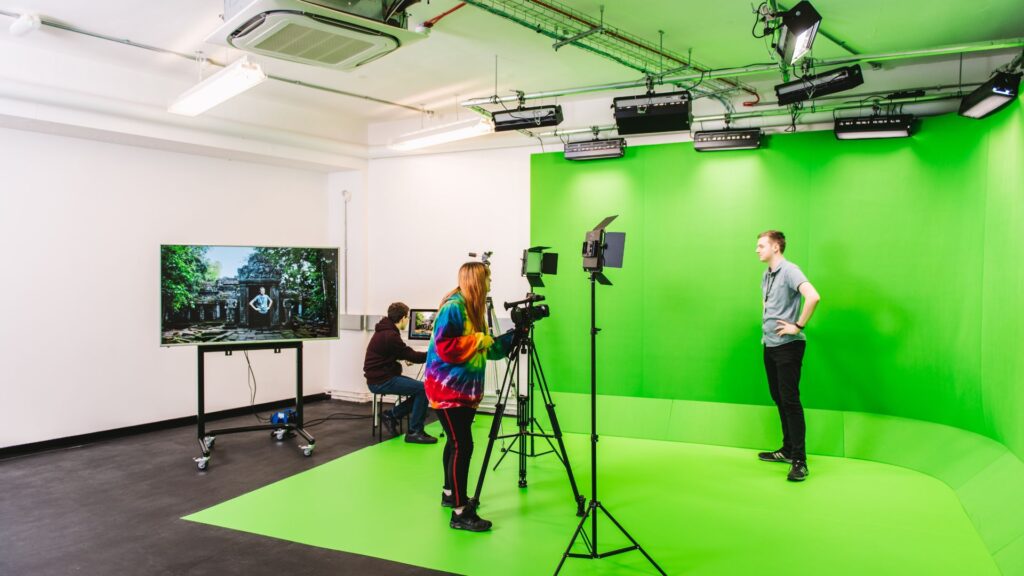
For anything involving movement, sport, or unpredictable environments, an action camera is well worth adding to your kit list. Compact options can shoot 4K at high frame rates with strong built-in stabilisation, producing footage that looks gimbal-smooth without needing any additional accessories.
They’re rugged, often waterproof, and easy to mount almost anywhere, making them ideal for capturing shots that would be tricky or risky with a more traditional camera.
Buying second-hand
Whichever route you choose, buying pre-owned gear is one of the smartest ways to stretch a student budget further. Older flagship cameras are increasingly appearing on the used market at significant discounts, which means a realistic budget can get you a far more capable camera than buying new at the same price point.
Just make sure you’re buying from a reputable seller who properly inspects and grades their stock before it goes on sale.
Finding the right camera for you
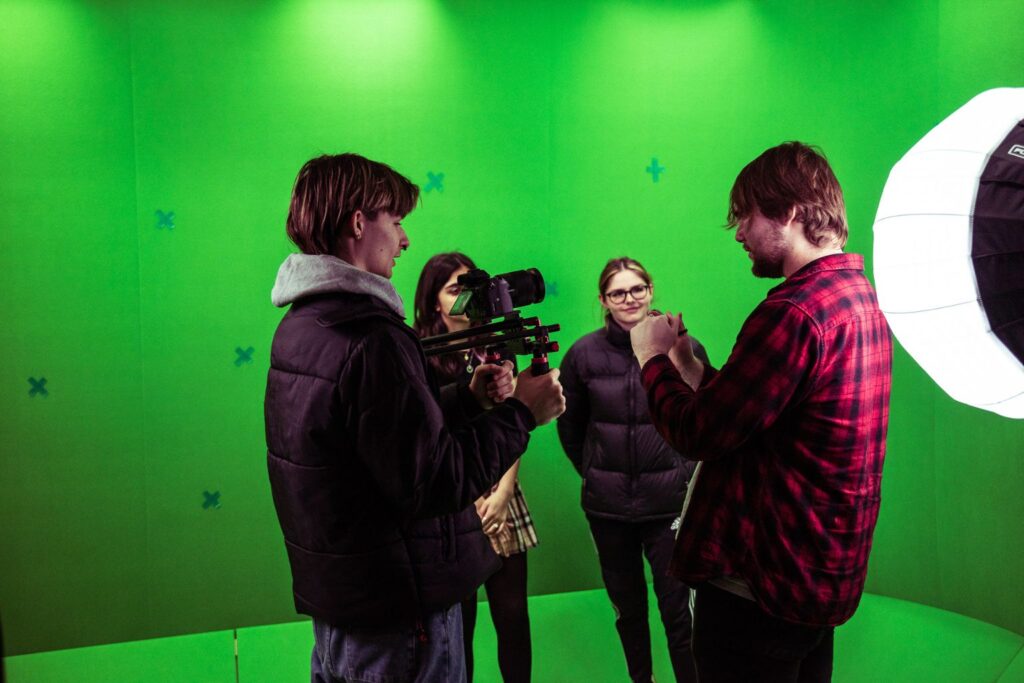
Choosing your first camera doesn’t need to be overwhelming, and it certainly doesn’t need to drain all of your money all in one go. The cameras covered here all prove that great filmmaking comes down to how you use your equipment rather than how much you spent on it, so it’s worth thinking carefully about what you’ll actually be filming before deciding where to put your money.
If you’re shooting fast-paced action or sport, an action camera will serve you better than an expensive cinema body. If you’re after creative control and want to learn proper manual settings, a second-hand DSLR or Micro Four Thirds camera will teach you far more than any phone ever could. And if you’re not quite ready to invest in dedicated kit at all, your phone remains a genuinely capable starting point. Whatever you choose, the most important step is simply getting out there and filming, since every short clip you shoot is helping you build the skills and the portfolio you’ll need for your filmmaking career ahead.
If you’re ready to take your filmmaking further, why not apply for our Level 3 Film, Videography & Photography course and start building your skills with the right support and equipment behind you!