



Breaking into the music industry is one of the most common ambitions among creative students, and also one of the most misunderstood. Talent matters, but so does experience, and the people who tend to build the strongest careers are those who start putting themselves in professional environments long before they graduate.
Work experience won’t always be glamorous, and it rarely pays well at the start, but the connections you make, the skills you pick up, and the insight you gain into how the industry actually operates are difficult to put a price on. Whether you’re interested in performance, production, events, or the business side of music, here’s everything you need to know about getting your foot in the door.
Why do you need work experience?

The music industry is built on relationships and reputation, which means a CV full of qualifications will only take you so far without some real-world experience to back it up. Employers in this space want to know that you can handle a professional environment, that you understand how the industry works from the inside, and that you’ve already started to build the kind of skills that can’t be taught in a classroom.
Work experience also helps you figure out which part of the industry is actually the right fit for you, something that’s difficult to know until you’ve spent time in a few different roles. For students still working out which direction to take, that kind of clarity is genuinely valuable.
Types of work experience in the music industry
The music industry is broader than most people realise, and work experience can take many different forms depending on where your interests lie.
Live events
Working behind the scenes at live music events is one of the most hands-on forms of work experience available, and the skills you pick up transfer across the industry in ways that are genuinely useful.
Depending on the role, you might find yourself supporting the production team, helping with artist logistics, working front of house, or assisting with stage management, all of which give you a real feel for the pace and pressure of live music. Local venues, promoters, and festival organisers often take on volunteers and assistants for events, particularly during the summer season when the demand for extra hands is at its highest.
Starting small at local gigs and club nights is a perfectly valid entry point, and many people who now work full-time in live events began by offering their time to help out at grassroots level.
Music publication
If your interests lean more towards writing, criticism, or journalism, contributing to a music publication is a great way to build a portfolio while developing a genuine understanding of the industry. Student magazines, independent music blogs, and online outlets are all worth approaching, particularly if you can demonstrate that you already have a clear point of view and a decent grasp of the genres you’re writing about. Reviews, interviews, and features are all relevant experience, and getting a handful of published pieces under your belt early gives you something concrete to show when you’re applying for more formal roles later down the line.
Some regional and national publications also offer work experience placements for students, so it’s worth reaching out directly with a pitch or a few writing samples rather than waiting for opportunities to be advertised.
Studio assistant
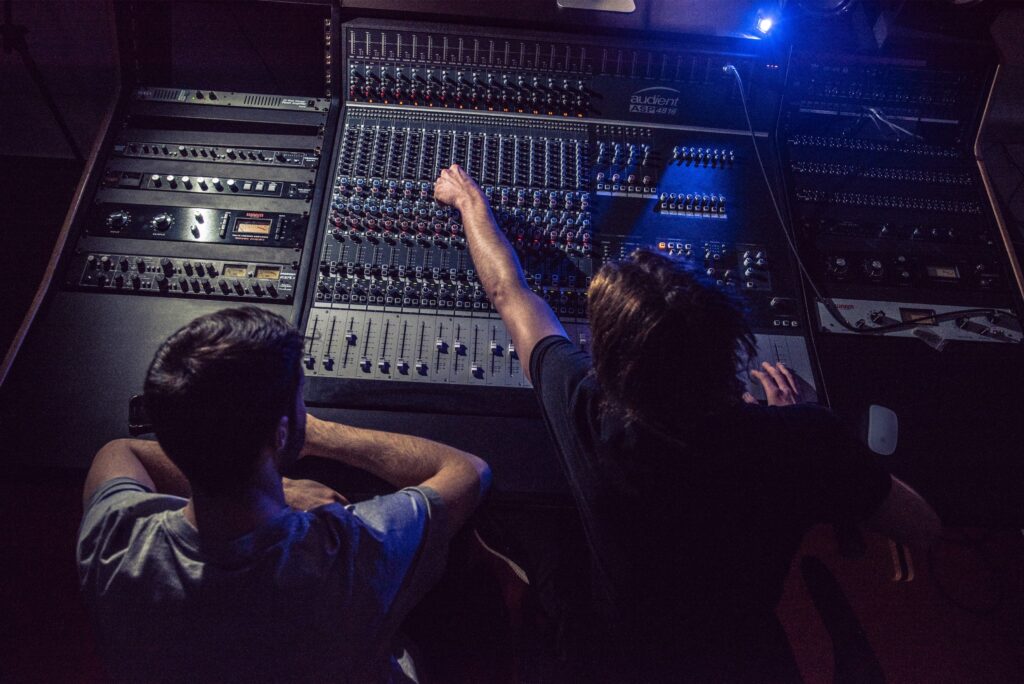
Spending time in a recording studio, even in a support capacity, gives you a level of insight into music production that simply can’t be replicated in a college setting. Studio assistants typically help with session setup, equipment maintenance, and general running of the space, which might not sound exciting on paper but quickly teaches you how a professional studio operates from the ground up.
Independent recording studios, college studios, and community music spaces are all worth approaching, and a well-written, genuine email explaining your interests and what you’re hoping to learn will often get a better response than a generic application.
Record labels and music management
For those interested in the business side of the industry, placements at record labels, artist management companies, and music publishing houses offer a completely different but equally valuable perspective. Roles in these environments can involve anything from admin and social media support to sitting in on A&R meetings and helping to coordinate release campaigns, and they give you a strong understanding of how the commercial side of music functions.
Independent labels in particular are often more open to taking on enthusiastic students, since smaller teams tend to mean more variety in the day-to-day work and a better chance of getting involved in meaningful tasks rather than being handed a stack of filing.
Radio and podcasting
Community radio stations and music podcasts are often overlooked as a route into the industry, but they offer a surprisingly broad range of experience across presenting, production, interviewing, and digital content creation.
Many community stations actively welcome student volunteers and provide access to professional broadcast equipment and a real audience, which is far more than most entry-level placements can offer. Running your own music podcast is also worth considering as a way of building both technical skills and a public profile, particularly if you’re consistent with it and cover a niche that isn’t already well served.
Where to find work experience and internships

Knowing where to look is half the battle, and the good news is that there are more routes in than ever before. Sites such as Music Ally and Creative Access regularly list internships and placements across the industry, while LinkedIn remains a useful tool for identifying companies you’d like to work with and connecting with people already doing the roles you’re interested in.
Getting in touch directly with venues, studios, labels, and promoters in your area is often more effective than waiting for something to be formally advertised, so it’s worth putting together a short, focused email that introduces who you are and what you’re looking for.
Take your first step with Access Creative College

Work experience becomes a lot more accessible when you’re already embedded in a creative community with strong industry connections behind it.
At Access Creative College, our music courses are designed with exactly that in mind – giving you the practical skills, professional environment, and tutor relationships that make it far easier to walk into a work experience placement with confidence rather than starting from scratch on your own. Whether you’re drawn to performance, production, or the business and technical side of music, our music courses are built around real industry practice, taught by people who’ve worked in the field themselves.
Alongside your studies, you’ll have access to professional-grade studios, live performance spaces, and a network of like-minded students who are all working towards the same goal. If you’re serious about building a career in music, find out more about studying at Access Creative College and take a look at what’s available at a campus near you.