
Sound design is one of the most overlooked roles in games, and one of the most essential. Most players never think about it consciously, but take it away, and everything falls apart.
We were joined by two sound designers as part of our industry speaker series at Access Creative College: Josh Bell, a senior sound designer at Sweet Justice Sound who previously worked at Remedy Entertainment and Cloud Imperium Games, and contributed to Alan Wake 2 – which won the BAFTA Games Award for audio achievement in 2024 – and Aran Everitt, a sound designer at Dambuster Studios who has worked on Dead Island 2 and both of its expansions.
Between them, they gave us one of the most honest and practical breakdowns of what it actually means to work in game audio.
What is game sound design?
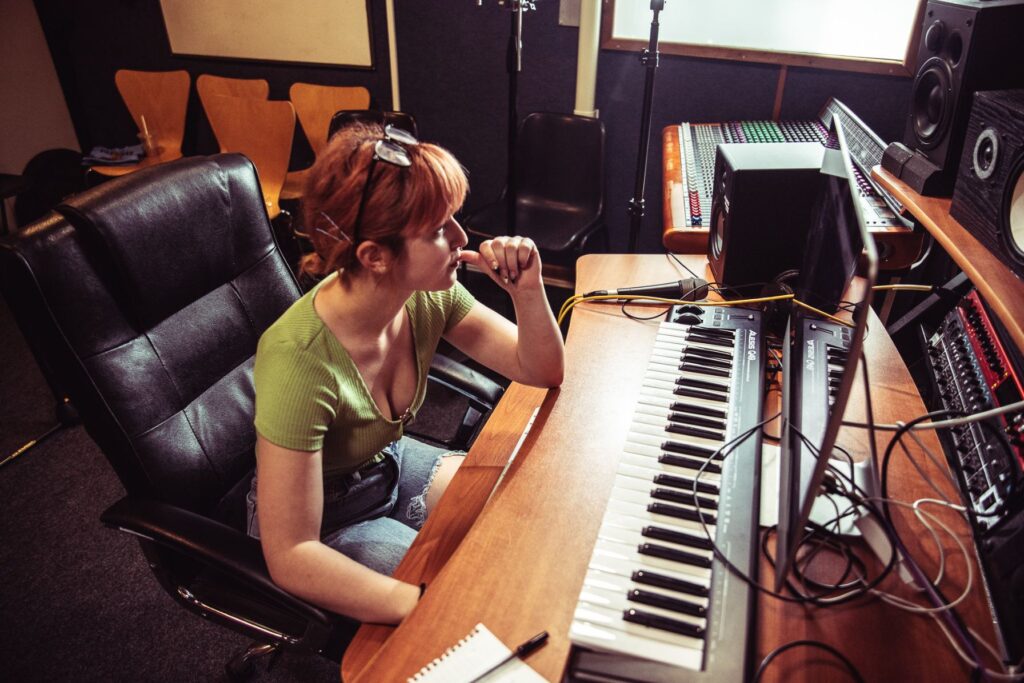
Josh set out the basics clearly: sound design is the process of creating and implementing all of the non-musical audio in a game. That means footsteps, weapon sounds, creature vocalisations, environmental ambience, weather, and user interface clicks.
“If you imagine a game world and remove the sound entirely, the experience suddenly feels very flat and lifeless. Sound design is there to add weight, feedback, and atmosphere that tells the player what is happening in the world.”
It’s not just about making things sound cool either. Sound carries real gameplay information; the sound of footsteps behind you might signal an approaching enemy, or a weapon sound might help you identify exactly what someone is using before you see them.
“Design is often something players only notice when it’s missing.”
How do sounds actually get made?
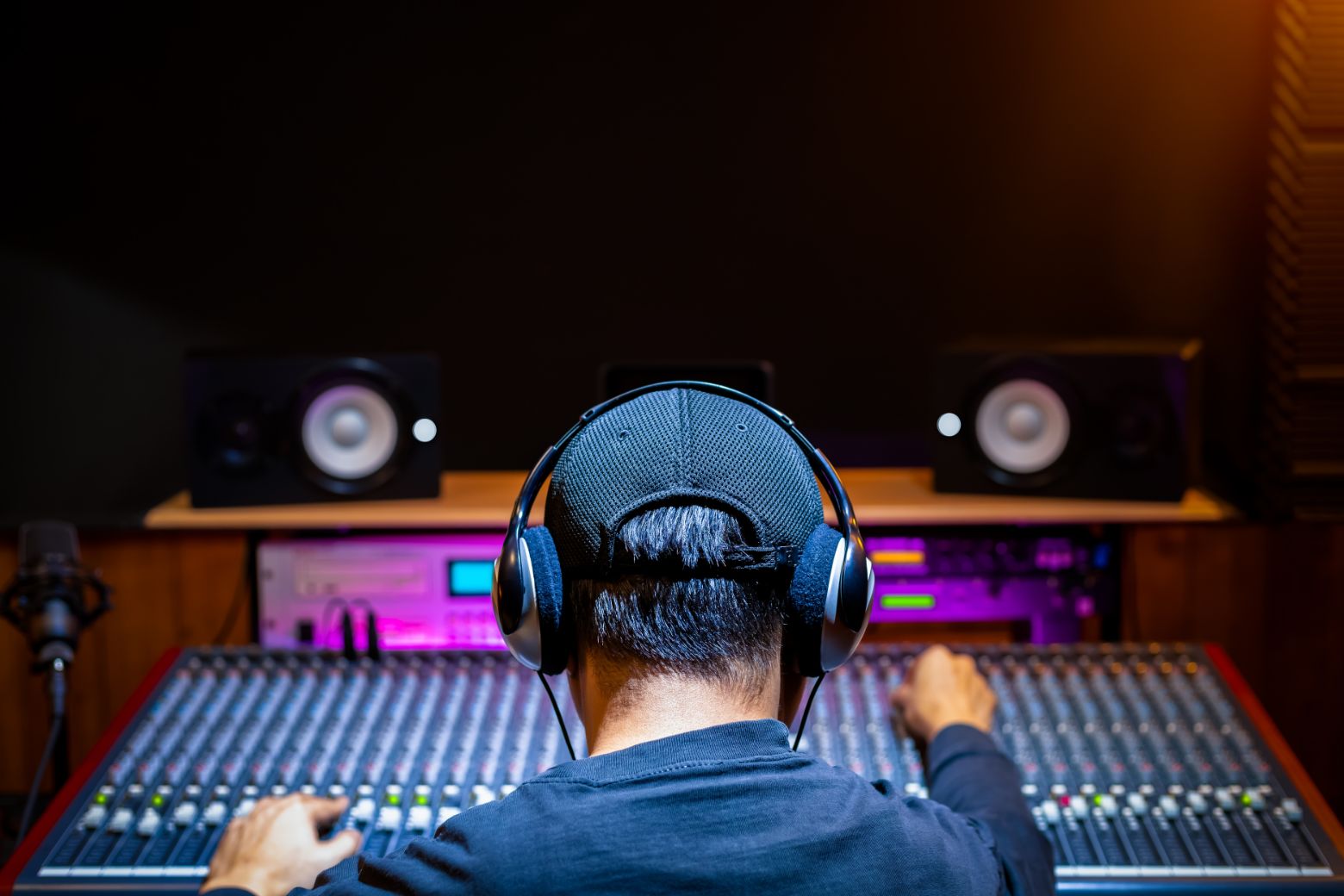
Field recording
One route is to go out into the real world with microphones and capture sounds that can later be transformed and layered. Josh described how designers might record footsteps on different surfaces, mechanical objects for sci-fi weapons, or environmental sounds to build the ambience of a game world.
There are also professional sound recordists whose full-time job is travelling the world capturing high-quality audio, which studios can then license as sound libraries to use as building blocks.
The DAW
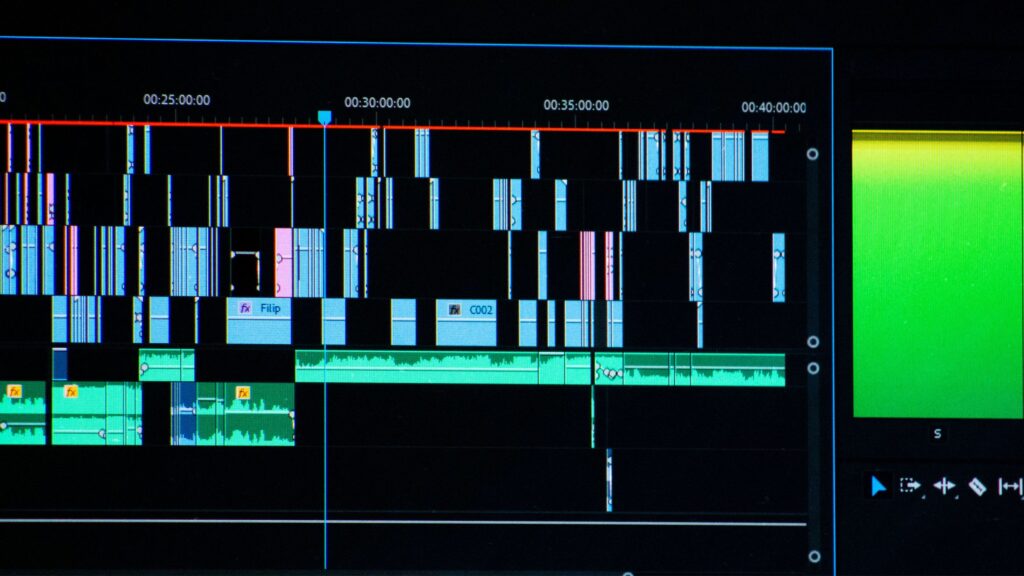
Once sounds are recorded or sourced, they’re edited and designed inside a digital audio workstation, commonly called a DAW. Reaper is the most widely used in-game audio.
Josh explained how a single sound effect is almost always built from multiple layers. A gunshot, for example, might combine:
- The sharp crack of an actual gunshot recording
- Mechanical sounds from the weapon’s action
- A low-frequency thump to give it weight
- A tail or echo to represent the sound travelling through the environment
“By layering different recordings together, sound designers create something much more detailed and expressive than just one single recording could.”
Aran described doing exactly this for his own portfolio work – taking gameplay clips, stripping out the original audio, and redesigning everything himself inside Reaper.
Middleware
Once sounds are designed, they’re imported into middleware tools such as Wwise or FMOD. These sit between the sound files and the game engine, allowing designers to control how sounds behave without writing complex game code.
Inside middleware, designers can add variation – instead of the same gunshot playing every time, a pool of ten slightly different versions can be randomly selected. They can also blend layers together and build flexible systems rather than static sound effects.
Aran said, “Half of the work happens in there. That’s where all of the magic really takes place.”
Why game audio is different from film
One of the most important things Josh covered was why game audio is fundamentally different from sound design for film or TV.
In film, sound always plays back the same way. The sound designer knows exactly when an explosion will happen and can design for that precise moment.
In games, the player is in control. They might be standing next to the explosion or far away. They might be indoors or outside. The audio system has to react dynamically to all of it, constantly.
“The difference between linear media and interactive media is one of the biggest challenges in game audio.”
One key technique used to handle this is distance attenuation, sounds get quieter and lose high-end detail the further away the player is. Studios will sometimes use entirely different sound files for close and distant versions of the same event, blending between them based on the player’s position.
What does a typical day look like?
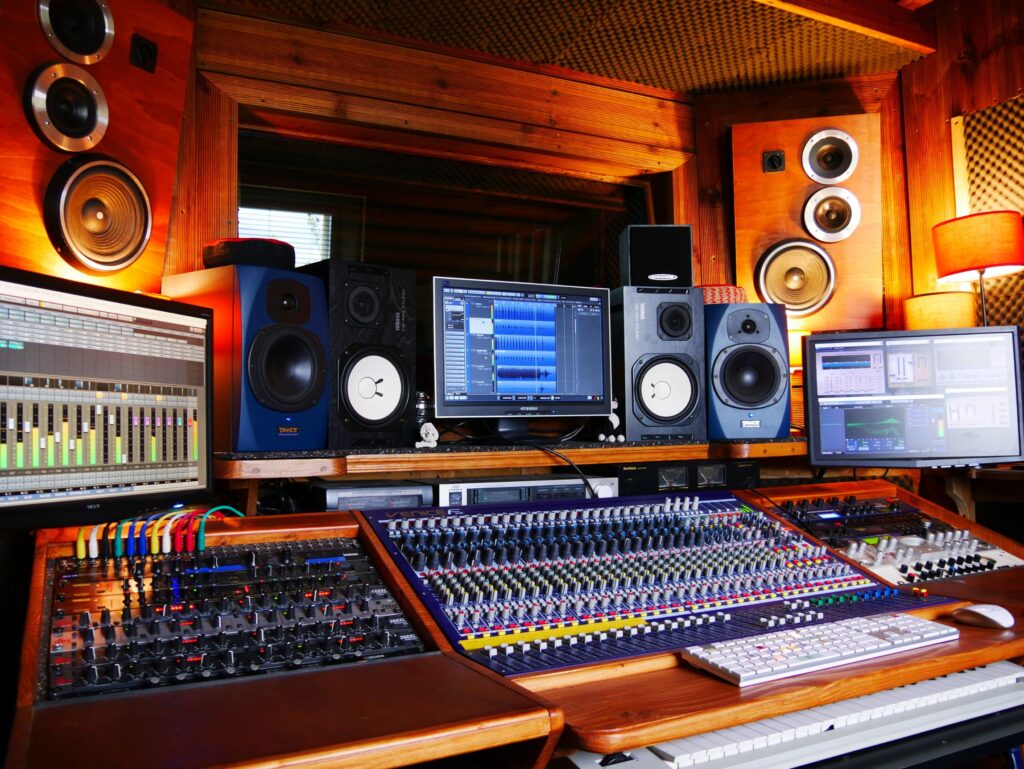
Both Josh and Aran were clear: no two days are the same.
Josh described the basic loop: design sounds in the DAW, import them into middleware, connect them to gameplay systems, test them in the engine, then go back and iterate.
Aran’s day-to-day at Dambuster was even more varied, a mix of creating assets, authoring in middleware, working in the game engine, attending mixing sessions, and collaborating closely with other departments.
Aran said, “My everyday was absolutely varied. There wasn’t a specific single thing that I had actually done every single day consistently.”
The types of work Aran covered during his time at Dambuster included cinematic audio, environmental ambiences, combat sound design, including weapon impacts and zombie vocalisations, and field recording sessions.
Collaboration is a huge part of the job. Audio teams work closely with animators, programmers, level designers, and narrative teams. As Josh put it:
“The audio team probably has the most departments that they have to be friendly with to be able to find out everything that they need to do their job.”
Different roles within game sound design
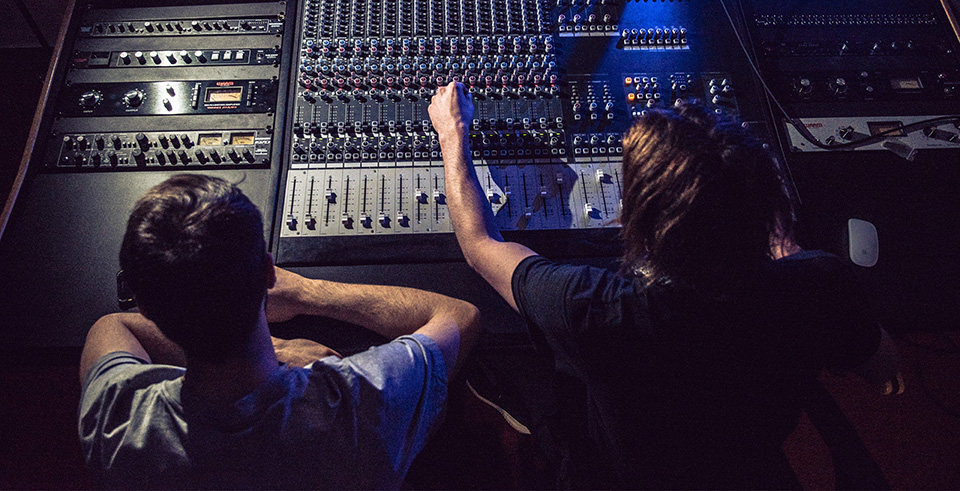
It’s not just one job. Josh outlined the different specialisms that exist within a game audio team, particularly at larger studios:
- Creative sound designers focus on building the actual sound effects in the DAW
- Technical sound designers build the systems that control how sounds behave inside the game
- Dialogue designers work specifically with voice recordings and character speech
- Audio programmers build the tools and technology that power the audio systems
- Composers write the music
At smaller studios, one person might cover several or all of these. At larger ones, they’re distinct specialisms, and the creative and technical sides need to work very closely together, because the design of the playback system affects how the sounds themselves are designed.
How they got into the industry
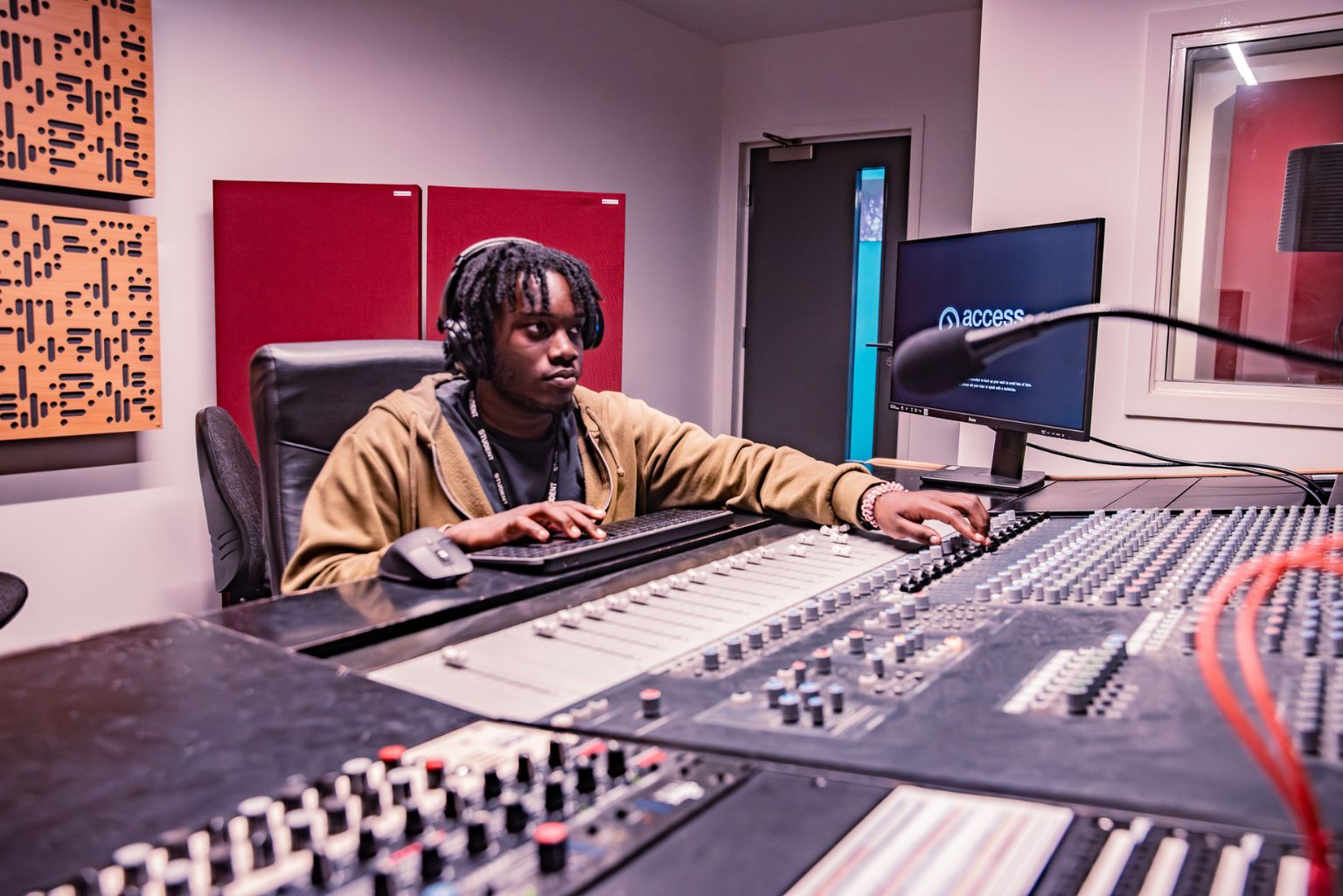
Josh studied music technology at the London College of Music, graduating in 2017. He didn’t study game audio directly, but pivoted towards it halfway through his degree, shaping his final year project around an Unreal Engine walking simulator where he handled all of the audio himself.
After graduating, he spent roughly two years building his portfolio, learning middleware tools, redesigning gameplay footage, and building a professional portfolio website. When someone already working at Cloud Imperium Games recommended him, his portfolio was ready.
“A lot of luck and time involved, but if I wasn’t ready for that opportunity, then it would have passed me by.”
From there, he worked on Star Citizen and Squadron 42 at Cloud Imperium, then moved to Finland to join Remedy Entertainment, working on Alan Wake 2 and FBC Firebreak. He now freelances with Sweet Justice Sound.
Two out of his three industry jobs were not publicly advertised; they came through direct recommendations from people he already knew.
Aran started his journey at Confetti in 2016, then went on to do a BSc games course in 2018. He was honest about what he’d do differently: “I could have easily done ten times the portfolio work that I actually ended up doing. I wasn’t employed at the time. I was a student, and compared to now, I had unlimited time.”
After graduating, he applied for audio roles across the industry and was rejected from all of them. A QA role came up at Dambuster Studios, and a friend he’d studied and worked with on multiple projects referred him. Six months later, an audio role opened up internally. Aran got it.
His QA experience turned out to be a significant advantage. Working directly with the audio team to debug issues meant he already had a skill that audio teams actively look for in new hires.
“I know a lot of people look at QA, and they brush it off, but this, in my opinion, is one of the most undervalued roles in the industry.”
Portfolio advice from the experts
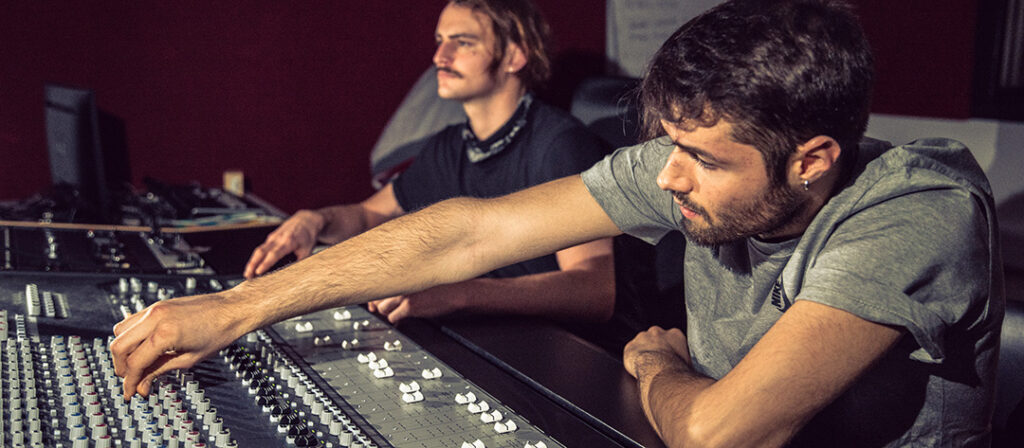
This came up consistently across both talks.
“Start now, and do more than you think you need to.” Both Josh and Aran were clear that the time you have as a student is something you’ll never get back once you’re in a full-time role.
“Show your technical implementation, not just your creative work.” Studios want to see that you can make sounds work inside a game engine, not just that you can make them sound good in isolation.
“Studios want to see not that you can just make cool sounds, but that you can also make your cool sounds work inside of a game engine.” – Josh Bell.
“Build a showreel of around a minute.” Aran described his as four clips from four different games, each around 15 seconds, with the original audio stripped out and replaced with his own work. Josh echoed this approach, which is called a linear pass, and it’s one of the most effective ways to demonstrate your ability.
“Put your best work first.” Aran fell into the trap of always leading with his newest work, which wasn’t always his strongest.
“Don’t call yourself ‘aspiring’. If you’ve done sound design, you’re a sound designer. Aran was direct about this: “You’re not aspiring to do sound design. You’ve done sound design. It just looks a bit amateur.”
“Tailor everything to the studio.” Both your portfolio and your CV should reflect research into the specific company you’re applying to, including its aesthetic, games, and history.
“Take feedback and act on it.” Aran had his portfolio reviewed by the audio lead at Dambuster, the person who later became his boss, who gave him harsh but useful feedback. He acted on it, and that demonstrated exactly the skill studios are looking for.
“When you are working in any discipline involving content creation, you will be told to make something again or change something. You have to be able to act on that feedback. It’s a skill in itself.”
Thinking about a career in game audio?
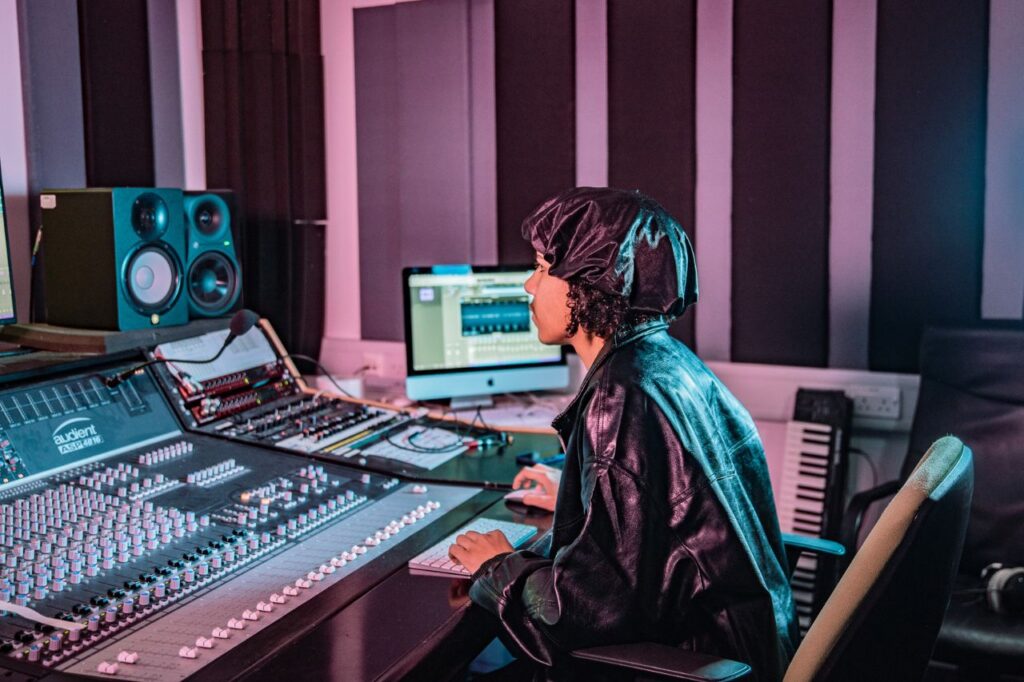
If you’re thinking about starting a career in game audio design, one way of practising with sound design is getting involved with our Level 3 Music Production to learn about DAWs, how to manipulate sounds, and being hands-on and practical with an industry-focused approach to learning.
To have a seamless educational experience from post-GCSE’s, under the same roof, our higher education provider dBs Institute offers a clear progression route onto an undergraduate degree for students who want to continue their education. dBs Institute of Music offers Access to HE courses in Music Production to allow you to further study at degree level, with degrees in Sound Engineering and Music Production and Music and Sound for Film and Game that will put you on the right track to a successful career in sound design.