

Book our next Open Day: Saturday 28th November 11am – 2pm
Come along to an open day, see the facilities and chat to our games tutors and students.
Your first step into the industry. Learn how games are made across art, design and development, and build the skills and portfolio to progress to Level 3.
Available at:
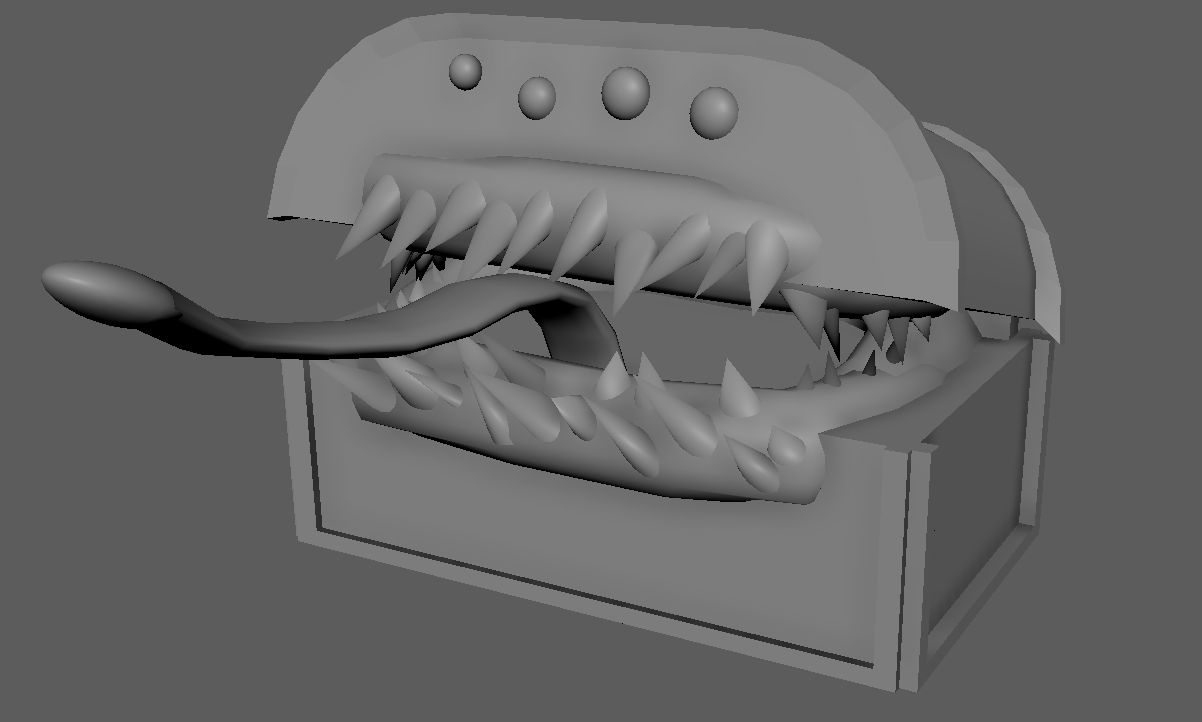
Create characters, environments and props using industry-standard tools like Blender and Maya, and build a portfolio that shows studios what you can do.
Available at:
Build playable games in Unity 3D and Unreal Engine 5 and learn the programming and design skills studios look for.
Available at:
Take your skills further and learn what it takes to build and release your own game as an indie developer.
Available at:
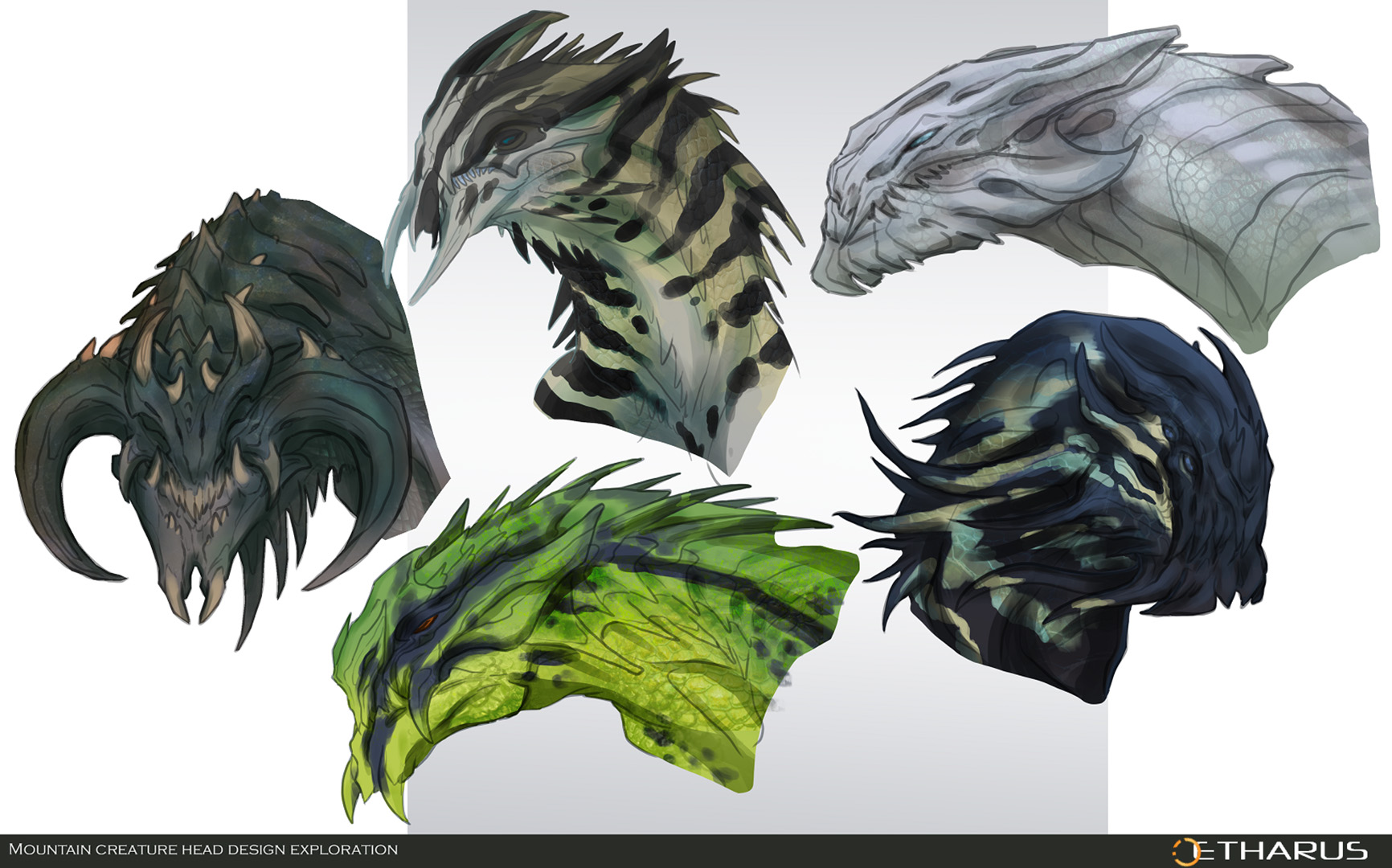
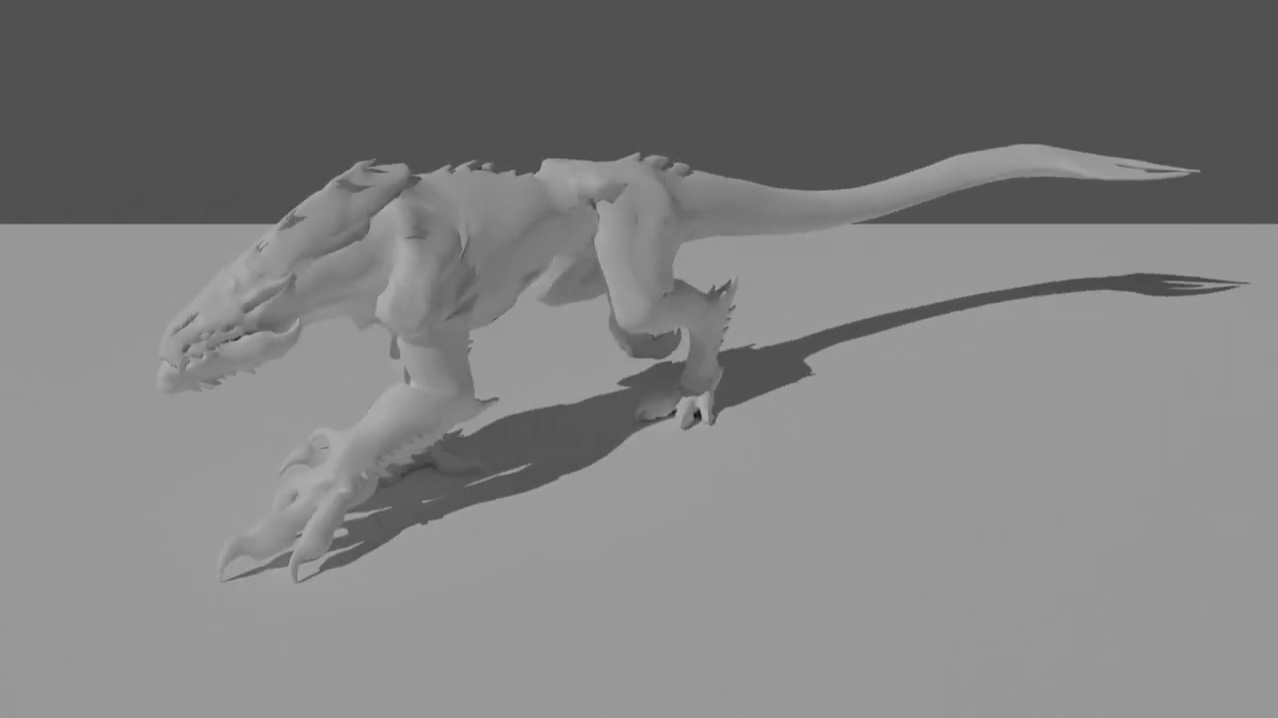
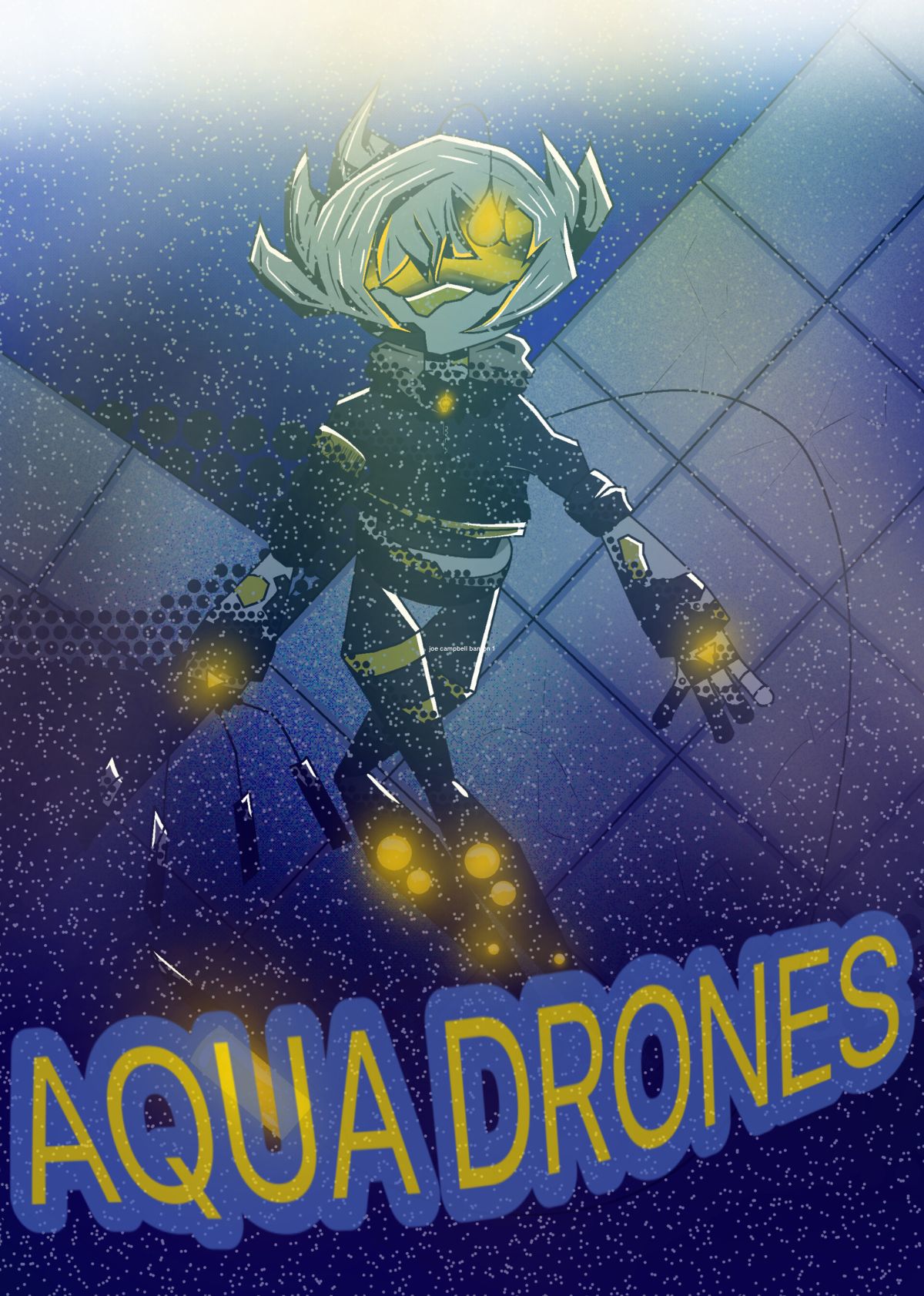
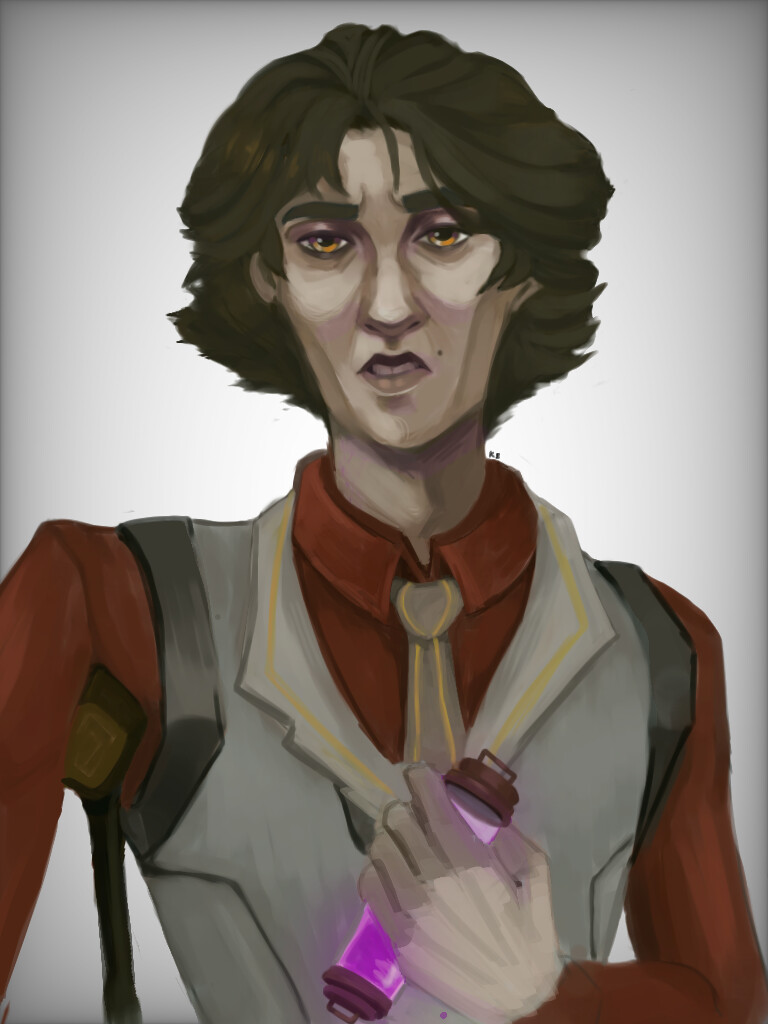
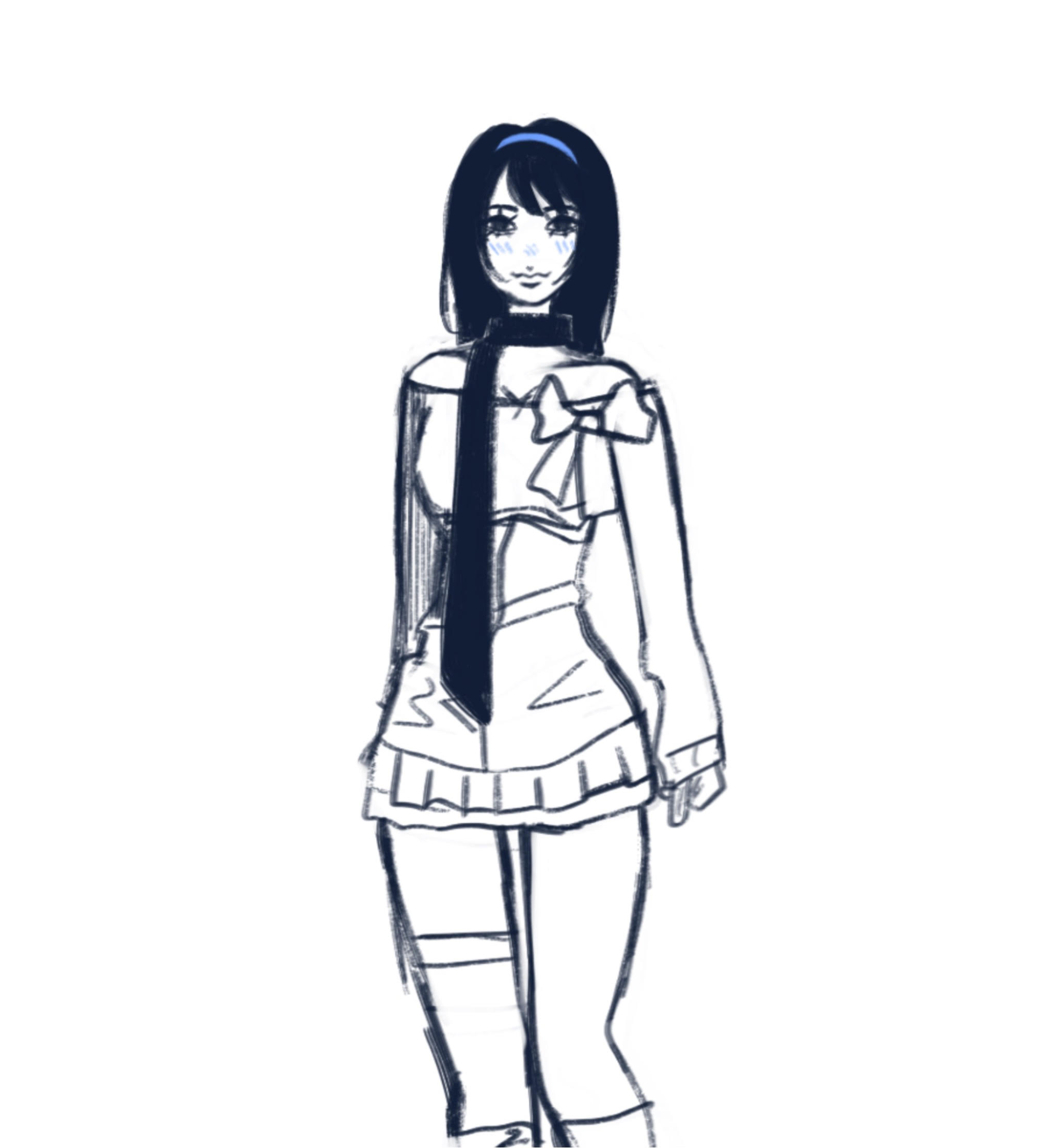
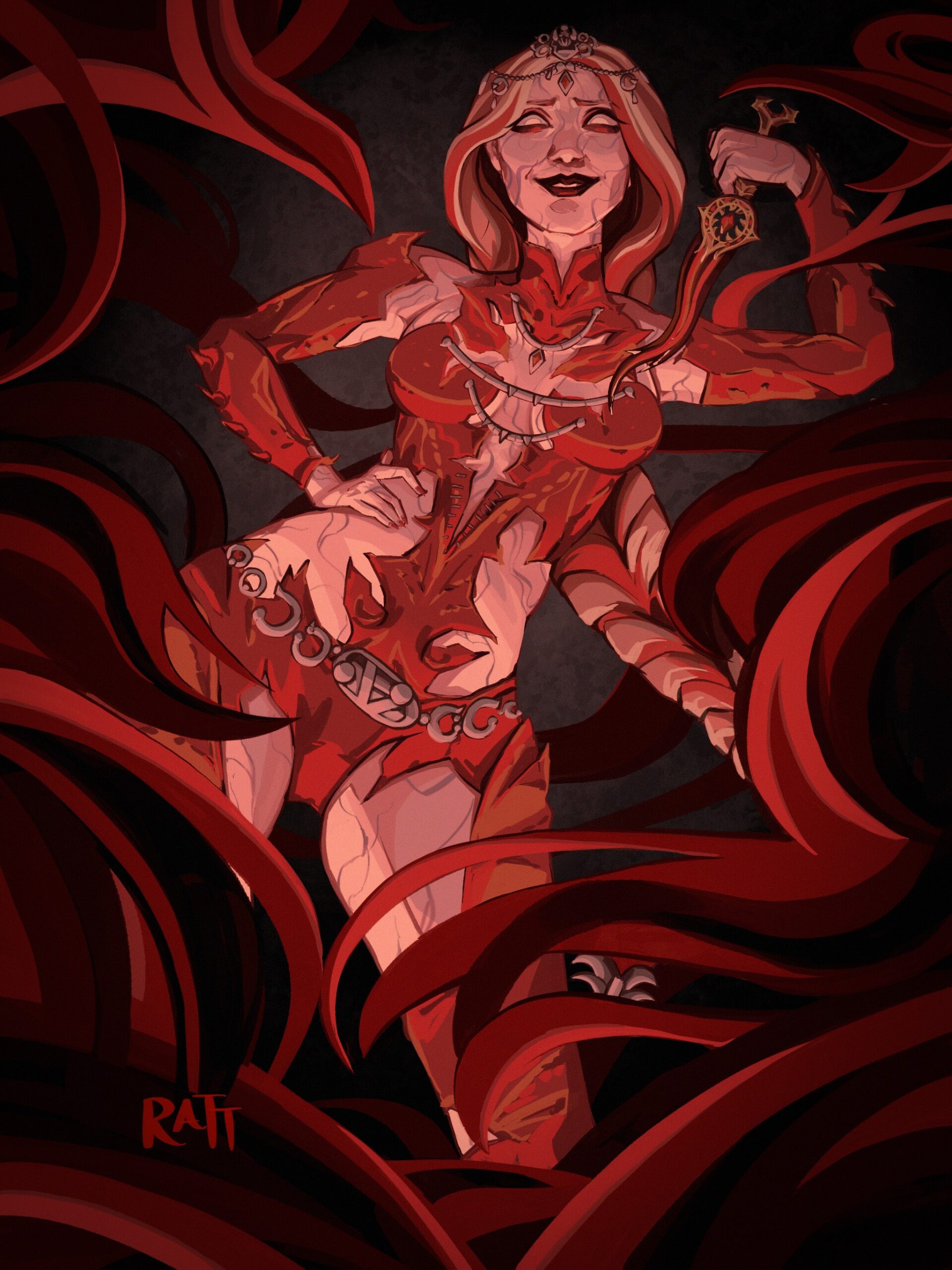
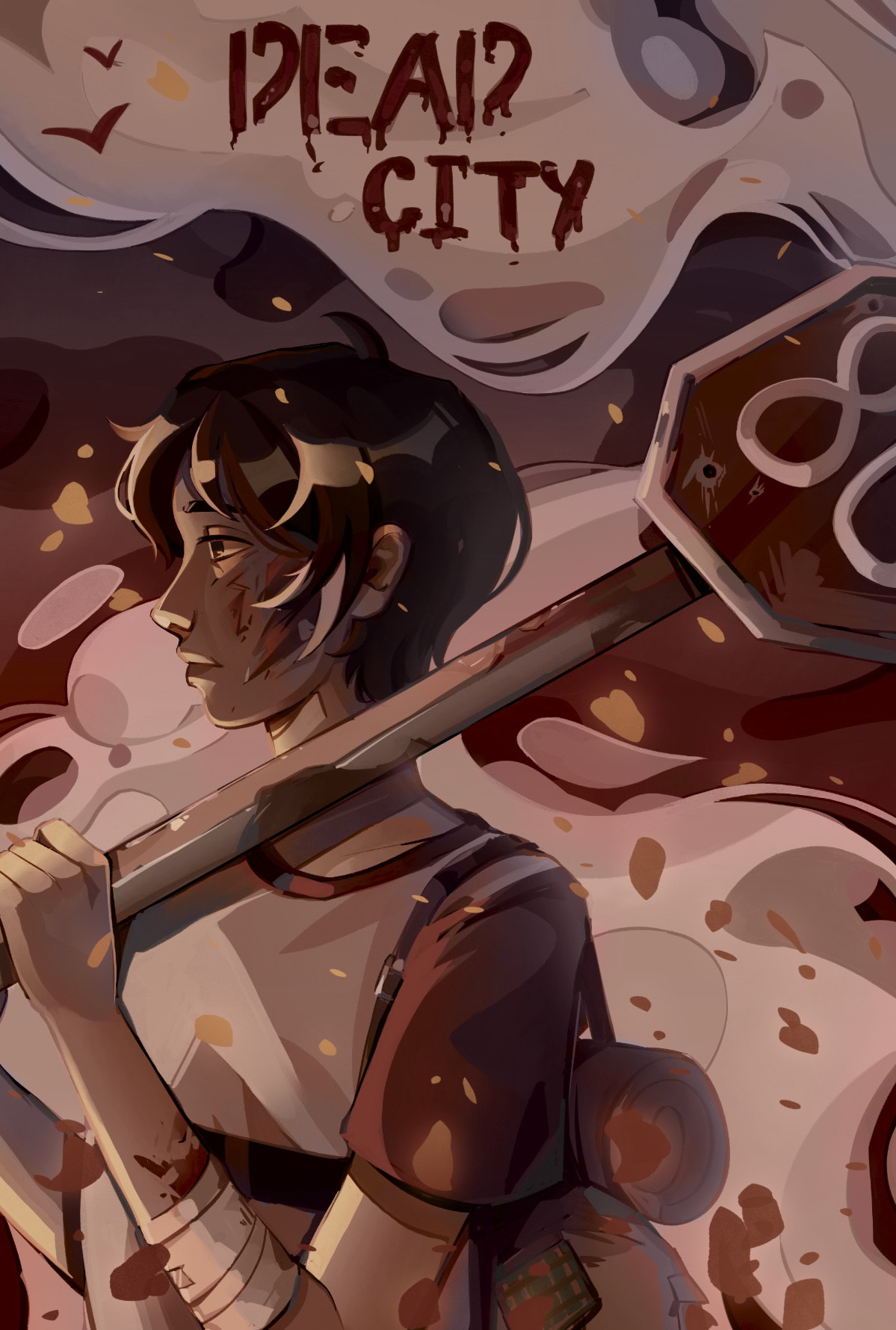
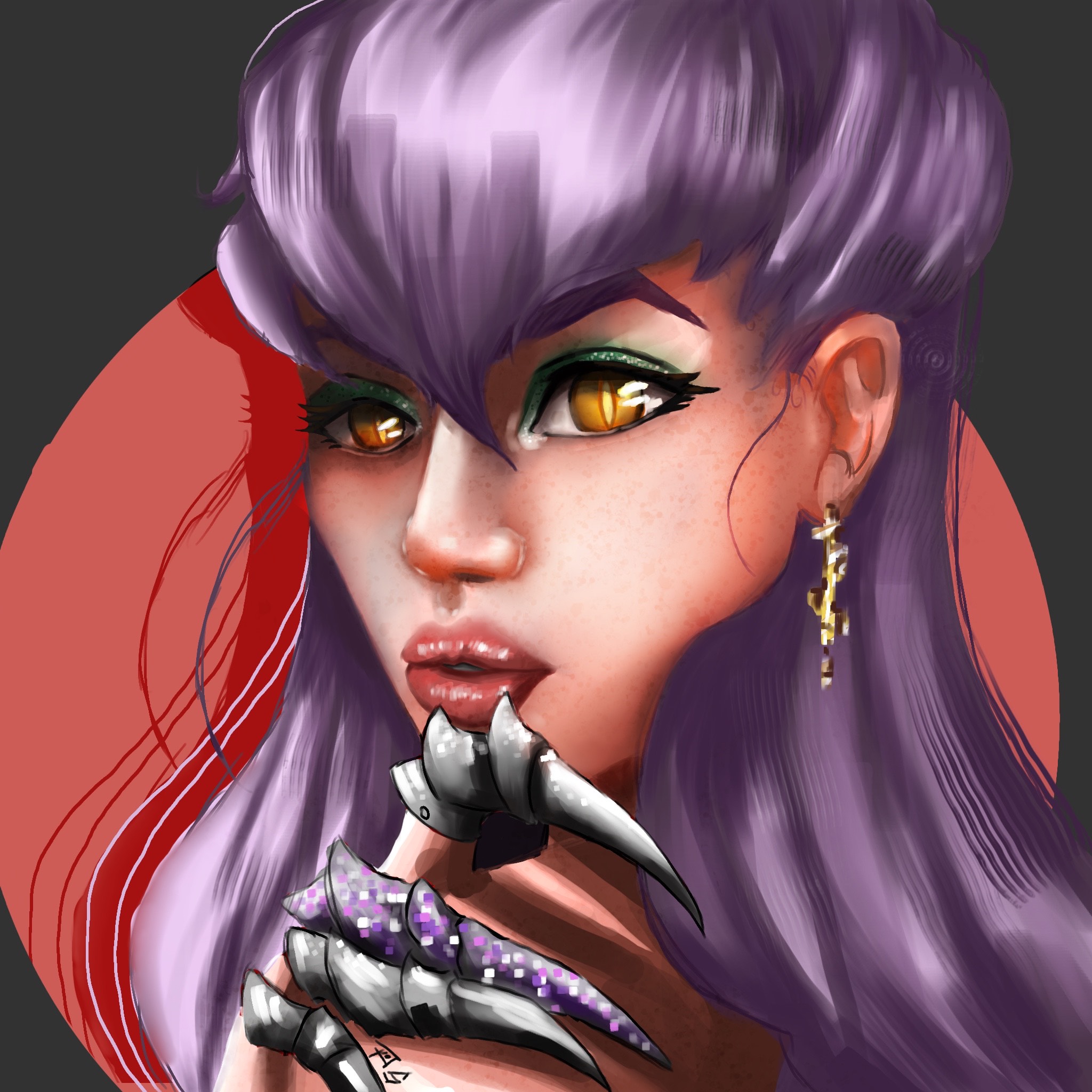
Character artists sculpt the personalities of games. They design and model lifelike or stylised characters, focusing on anatomy, clothing, and visual storytelling to fit the game’s tone.
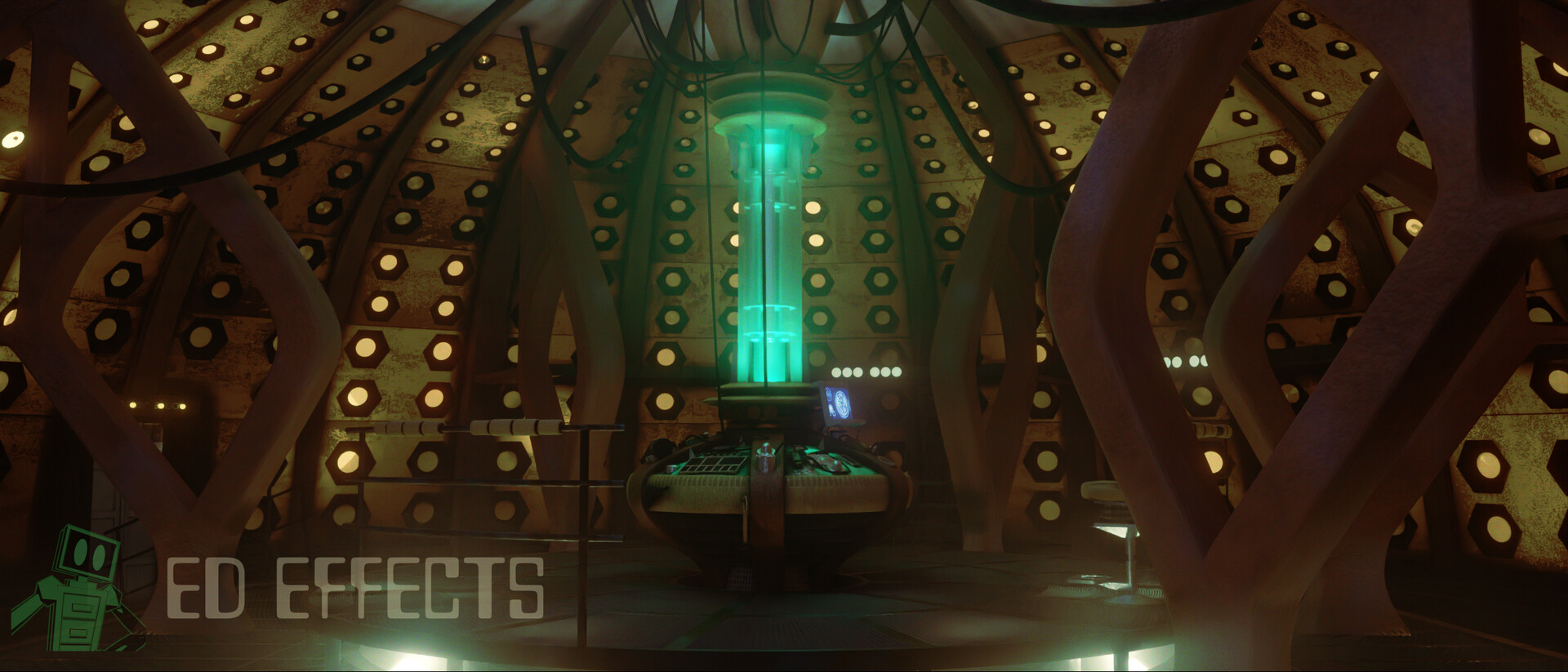
These artists build immersive worlds and settings, from urban cityscapes to fantastical realms. They design the visual backdrop of games, ensuring both visual appeal and functionality.
These artists build immersive worlds and settings, from urban cityscapes to fantastical realms. They design the visual backdrop of games, ensuring both visual appeal and functionality.
Animators bring game characters and environments to life through movement. Working closely with designers and programmers, they create smooth, dynamic animation sequences using specialist software.
A hybrid role between artist and programmer, technical artists solve technical issues in the art pipeline, ensuring art assets perform well in game engines.
Focused on logic and functionality, game programmers build the software architecture that enables a game to run, often specialising in AI, gameplay, or physics.
Developers write the code that enables games to function. They transform design concepts into playable products by utilising programming languages and game engines such as Unity or Unreal.
QA testers professionally test and evaluate video games to report any bugs, glitches, or flaws before and after the game has been released.
Writers craft narratives, dialogue, and lore. They help build immersive worlds and characters, giving depth and context to gameplay.
Character artists sculpt the personalities of games. They design and model lifelike or stylised characters, focusing on anatomy, clothing, and visual storytelling to fit the game’s tone.
Character artists sculpt the personalities of games. They design and model lifelike or stylised characters, focusing on anatomy, clothing, and visual storytelling to fit the game’s tone.
Character artists sculpt the personalities of games. They design and model lifelike or stylised characters, focusing on anatomy, clothing, and visual storytelling to fit the game’s tone.
Character artists sculpt the personalities of games. They design and model lifelike or stylised characters, focusing on anatomy, clothing, and visual storytelling to fit the game’s tone.
Character artists sculpt the personalities of games. They design and model lifelike or stylised characters, focusing on anatomy, clothing, and visual storytelling to fit the game’s tone.
Character artists sculpt the personalities of games. They design and model lifelike or stylised characters, focusing on anatomy, clothing, and visual storytelling to fit the game’s tone.
Character artists sculpt the personalities of games. They design and model lifelike or stylised characters, focusing on anatomy, clothing, and visual storytelling to fit the game’s tone.
Character artists sculpt the personalities of games. They design and model lifelike or stylised characters, focusing on anatomy, clothing, and visual storytelling to fit the game’s tone.
£8.76 billion
UK video games market, growing 7.4% in 2025.
45,000+
people employed in a rapidly developing sector.
£4.4 billion
GVA, the largest games sector in Europe (DCMS 2025).
Character artists sculpt the personalities of games. They design and model lifelike or stylised characters, focusing on anatomy, clothing, and visual storytelling to fit the game’s tone.
Character artists sculpt the personalities of games. They design and model lifelike or stylised characters, focusing on anatomy, clothing, and visual storytelling to fit the game’s tone.
Character artists sculpt the personalities of games. They design and model lifelike or stylised characters, focusing on anatomy, clothing, and visual storytelling to fit the game’s tone.
Character artists sculpt the personalities of games. They design and model lifelike or stylised characters, focusing on anatomy, clothing, and visual storytelling to fit the game’s tone.
Character artists sculpt the personalities of games. They design and model lifelike or stylised characters, focusing on anatomy, clothing, and visual storytelling to fit the game’s tone.
Character artists sculpt the personalities of games. They design and model lifelike or stylised characters, focusing on anatomy, clothing, and visual storytelling to fit the game’s tone.
Character artists sculpt the personalities of games. They design and model lifelike or stylised characters, focusing on anatomy, clothing, and visual storytelling to fit the game’s tone.
Character artists sculpt the personalities of games. They design and model lifelike or stylised characters, focusing on anatomy, clothing, and visual storytelling to fit the game’s tone.
Student Name, Games Art Level 3
Student Name, Games Art Level 3
Student Name, Games Art Level 3
Student Name, Games Art Level 3
Student Name, Games Art Level 3
Student Name, Games Art Level 3
Come along to an open day, see the facilities and chat to our games tutors and students.
Technology moves fast, and tools like AI are changing how creative industries work. We’ll help you get confident with emerging tech so you can use it to power up your ideas.
AI exists to support your creativity, never to replace it. We’ll also show you how copyright and intellectual property work, so you stay in control of your own work.
AI exists to support your creativity, never to replace it. We’ll also show you how copyright and intellectual property work, so you stay in control of your own work.
Technology moves fast, and tools like AI are changing how creative industries work. We’ll help you get confident with emerging tech so you can use it to power up your ideas.
AI exists to support your creativity, never to replace it. We’ll also show you how copyright and intellectual property work, so you stay in control of your own work.
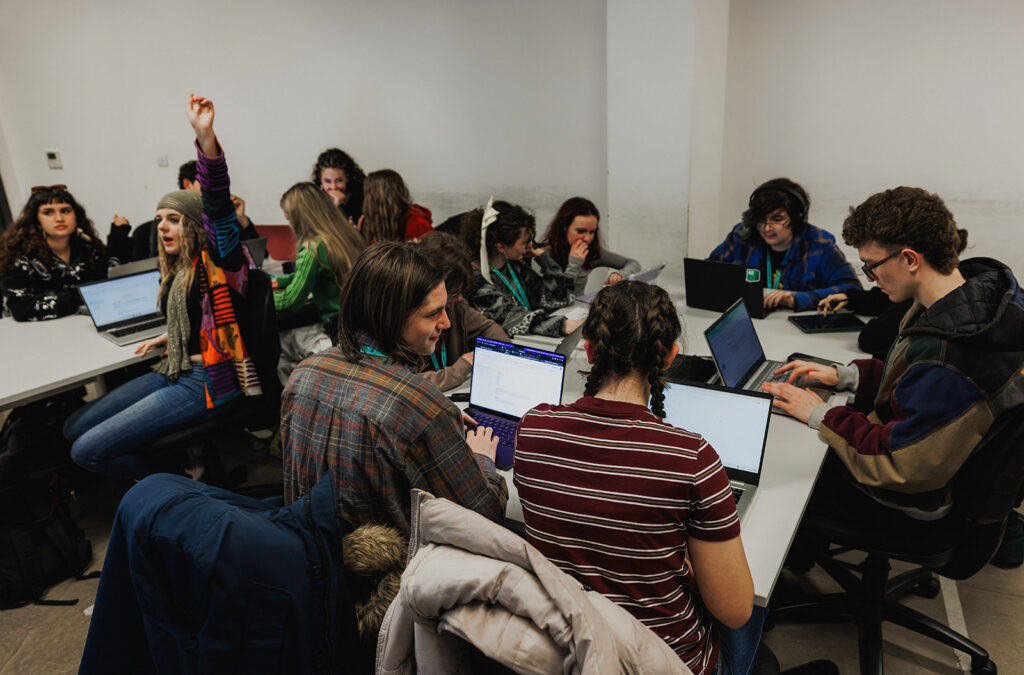

We want you to get the most from your course. From the day you apply, our teams are here to help you settle in, stay on track and plan your next step.
We want you to get the most from your course. From the day you apply, our teams are here to help you settle in, stay on track and plan your next step.
“My course has helped me learn new skills, for creating games such as creating sprite & animation for games.”
– Bristol Student
“On this course I have been able to create a portfolio for myself along with evaluating my own work and being able to improve each time I create something. I have also learnt key skills to work in a team as well as to work well on products keeping to a production log as well as documenting my progress on my work as I push forwards towards completing it.”
– Birmingham Student
“I have developed my 3D modelling and texturing skills and within art I have gained a deeper understanding of the importance of experimenting with materials and techniques.”
– Lincoln Student
“I know how to do pixel art now, I know about how to write games and certain plot tropes and I can use construct3 decently well and i want to get better at 3d modelling but for certain reasons i have not had the opportunity.”
– London Student
“I have been able to develop my practical skills towards digital art by improving my techniques to create more realistic and impressive art by learning about lighting and shading, as well as texturing.”
– Norwich Student
“With the graphic narrative, I have improved my character creation skills and overall I’ve improved my skills of creating a comic.”
– Birmingham Student
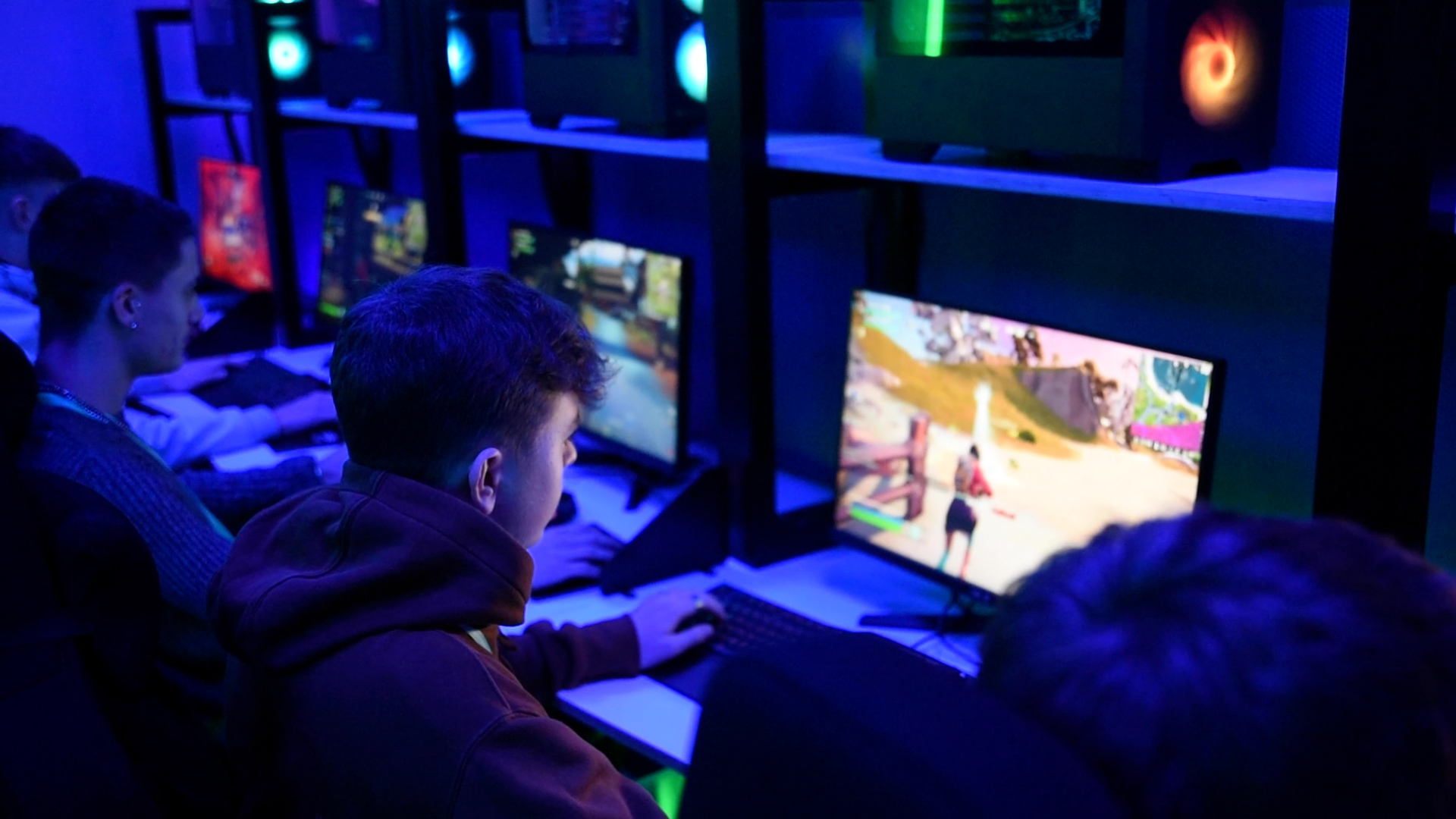
Yes. The gaming industry is one of the fastest-growing creative sectors in the UK. With diverse career options, competitive salaries, and global opportunities, it’s a strong choice for creative and tech-minded individuals.
Absolutely. As more companies invest in games, apps, VR, and immersive experiences, demand for skilled designers and developers is on the rise. The UK government also supports this sector through tax relief and funding.
At Access Creative College we offer a range of courses for gaming, depending on your experience:
Yes! Our games courses build transferable skills in:
You’ll learn problem-solving, creative thinking, and technical knowledge that are in demand across many industries.
Yes. Our Level 3 Games Courses are equivalent to A Levels and come with UCAS points. Many students progress to top universities offering game design, animation, or computing degrees.
You can apply directly through our website.
To learn more about what happens next, check out our application journey.
So, you want a career in the games industry?
At Access Creative College, we offer a range of games courses designed to equip you with the skills needed to thrive in this dynamic field. Whether you’re interested in game design, coding, or animation, our programs are tailored for aspiring creators just like you.
As one of the UK’s leading creative colleges, we offer cutting-edge games courses designed to equip you with real-world skills for exciting roles in the gaming industry.
From Level 2 Games Development to more advanced Level 3 Games Courses, we provide state-of-the-art facilities, industry-experienced tutors, and a supportive, creative environment that mirrors the energy of the professional gaming world. Whether you’re interested in game design, programming, art, or animation, our courses for gaming give you the tools to thrive.
Our experienced instructors bring years of industry knowledge and insights. They guide you through each step, ensuring you’re equipped with relevant skills that employers seek.
Plus, networking opportunities are available at Access Creative College as you collaborate with fellow aspiring developers, artists, and designers, creating connections that can lead to future job prospects.
Are you a gaming enthusiast with a burning passion for immersive virtual worlds? Do you dream of transforming your love for games into a successful career?
Whether you see yourself as a masterful game designer, a wizard of programming and coding, a storyteller creating captivating narratives, or an artist who brings characters to virtual life, we have tailored games courses to suit every career goal.
The games design industry in the UK is a thriving sector that has seen remarkable growth in recent years. Fuelled by increased demand for interactive entertainment, including mobile games, virtual reality (VR) experiences, and augmented reality (AR) applications, there is no better time to take your passion for games and turn it into a rewarding and progressive career.
Want to get a feel for games courses at Access Creative College?
This course is the perfect introduction to the skills and techniques needed to design assets for computer games.
One year
BTEC Level 2 Diploma in Creative Media Skills
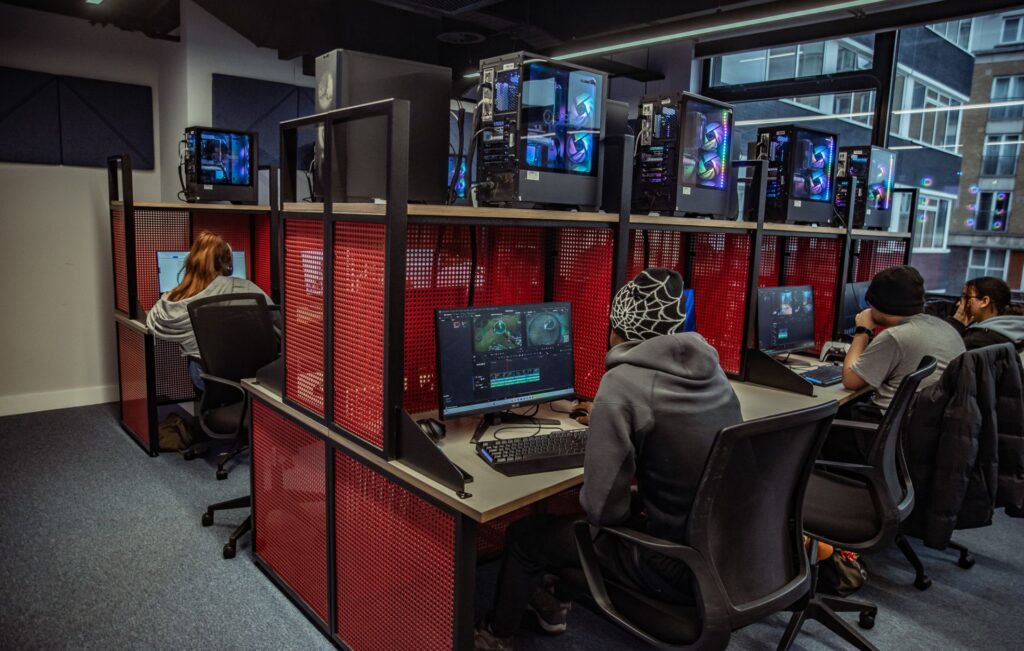
This course will teach you how to develop ideas and concept art for games, create characters, objects, environments and more.
4 GCSEs at 9-4 (A*-C), including English
Two years
BTEC Level 3 Extended Diploma in Art and Design
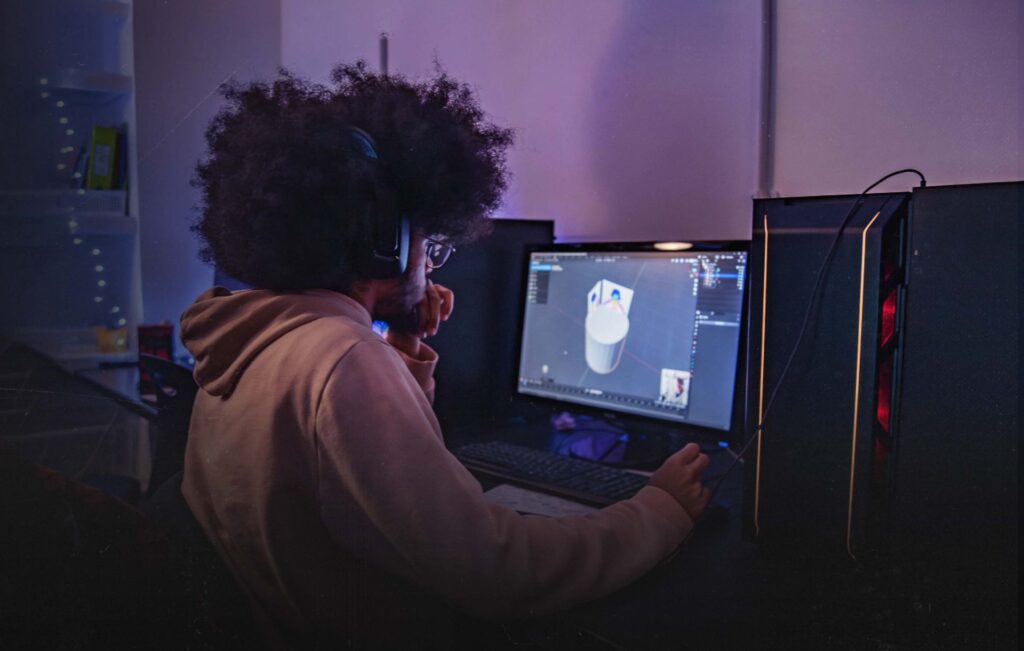
This course will teach you about the creation and production of 2D and 3D games using the most relevant, industry standard software.
4 GCSEs at 9-4 (A*-C), including English
Two years
BTEC Level 3 Extended Diploma in Art and Design
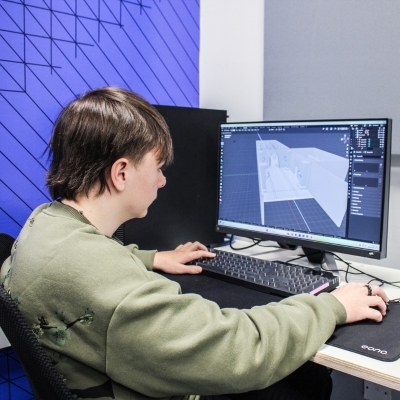
This course is the next step in developing your own indie game, from coding within game engines to promoting the finished project to a real audience.
You’ll need to be 17+, with a Level 3 qualification at Merit grade (or equivalent) and GCSE English (Language or Literature) at grade 4 or above (or equivalent). You’ll also need to show us creative development work in games-related areas to a suitable standard.
One Year
RSL Level 4 Diploma for Creative Practitioners
This course is the perfect introduction to the skills and techniques needed to design assets for computer games.
Three or more GCSEs at grade 3 or above, including English (Language or Literature)
One Year
BTEC Level 2 Diploma in Creative Media Skills
This course will teach you how to develop ideas and concept art for games, create characters, objects, environments and more.
4 GCSEs at 9-4 (A*-C), including English
Two Years
BTEC Level 3 Extended Diploma in Art and Design
This course will teach you about the creation and production of 2D and 3D games using the most relevant, industry standard software.
4 GCSEs at 9-4 (A*-C), including English
Two Tears
BTEC Level 3 Extended Diploma in Art and Design
This course will teach you how to design, develop and launch your own indie games, building the skills and techniques you need to take your ideas from the ground up and get them out into the world.
You’ll need to be 17+, with a Level 3 qualification at Merit grade (or equivalent) and GCSE English (Language or Literature) at grade 4 or above (or equivalent). You’ll also need to show us creative development work in games-related areas to a suitable standard.
One year
RSL Level 4 Diploma for Creative Practitioners
“For anyone interested in games and how they work, this is a great course as it goes into depth about everything that goes into creating a game.”
Bristol Student
“The course that I am currently doing feels perfect for me as it goes over the aspects of the job that I want in the future and is within a range of ease and difficulty that I feel like I am learning the things I need to know for my future career and progressing at a smooth rate.”
Birmingham Student
“My art has definitely improved in the time I’ve been here, and I’ve learnt a lot about form and techniques which have helped me do so also before this course, I wouldn’t have even known where to start on creating 3d models or coding in a game engine, and now I can do both of those things without much struggle.”
Lincoln Student
“The course is perfect for me at this point in time because it is what I want to continue in the future. I have always wanted to do computer science and Game Development so the course is perfect for me.”
London Student
“I believe that this course is perfect for me because I’m learning things that are within my ability to learn, and I find the course itself exciting. I love coming in and making new things.”
Manchester Student
“The skills I came to develop have noticeably improved, and managing my work and skills respectively to what would be expected in university, and I believe I have improved a lot.”
Norwich Student
“I can confidently say the course is right for me, as it not only reminds of me skills I already practised but also challenges me in ways I haven’t been challenged in or methods I haven’t approached before or in this way.”
London Student
“Everyone at this college, regardless of who they are, seems to have a smile on their face and feels very welcome here. I think this is because it’s very diverse and feels very accepting, regardless of who you are and the level of skill you have in the course. If you want to work as a team and feel like you’re welcome while doing a course based on your interests, then I believe Access Creative is the absolute best place to be.”
Lincoln Student
“For anyone interested in games and how they work, this is a great course as it goes into depth about everything that goes into creating a game.”
Bristol Student
“The course that I am currently doing feels perfect for me as it goes over the aspects of the job that I want in the future and is within a range of ease and difficulty that I feel like I am learning the things I need to know for my future career and progressing at a smooth rate.”
Birmingham Student
“My art has definitely improved in the time I’ve been here, and I’ve learnt a lot about form and techniques which have helped me do so also, before this course I wouldn’t have even known where to start on creating 3d models or coding in a game engine and now I can do both of those things without much struggle.”
Lincoln Student
“The course is perfect for me at this point in time because it is what I want to continue in the future. I have always wanted to do computer science and Game Development so the course is perfect for me.”
London Student
“I believe that this course is perfect for me because I’m learning things that are within my ability to learn them and I find the course itself exciting. I love coming in and making new things.”
Manchester Student
“The skills I came to develop have noticeably improved, and managing my work and skills respectively to what would be expected in university, and I believe I have improved a lot.”
Norwich Student
“Everyone at this college, regardless of who they are, seems to have a smile on their face and feels very welcome here. I think this is because it’s very diverse and feels very accepting, regardless of who you are and the level of skill you have on the course. If you want to work as a team and feel like you’re welcome while doing a course based on your interests, then I believe Access Creative is the absolute best place to be.”
Lincoln Student
“I can confidently say the course is right for me, as it not only reminds me of skills I already practised but also challenges me in ways I haven’t been challenged in or methods I haven’t approached before or in this way.”
London Student
Yes. The gaming industry is one of the fastest-growing creative sectors in the UK. With diverse career options, competitive salaries, and global opportunities, it’s a strong choice for creative and tech-minded individuals.
Absolutely. As more companies invest in games, apps, VR, and immersive experiences, demand for skilled designers and developers is on the rise. The UK government also supports this sector through tax relief and funding.
At Access Creative College we offer a range of courses for gaming, depending on your experience:
Yes! Our games courses build transferable skills in:
You’ll learn problem-solving, creative thinking, and technical knowledge that are in demand across many industries.
Yes. Our Level 3 Games Courses are equivalent to A Levels and come with UCAS points. Many students progress to top universities offering game design, animation, or computing degrees.
You can apply directly through our website:
To learn more about what happens next, check out our application journey