



There’s still a tendency in some corners to treat esports as a niche hobby that exists somewhere at the edge of mainstream entertainment, but the numbers tell a very different story. The UK esports market generated revenue of around $91.7 million in 2024 and is projected to reach $341 million by 2030, growing at a rate of 24.3% year on year, which puts it among the faster-growing sectors in the UK’s broader creative economy.
Esports is a fast-growing industry

What’s changed over the last decade isn’t just the size of the esports industry, it’s the structure of it.
What were once small community events and amateur competitions have evolved into a thriving industry supported by publishers, broadcasters, universities, and a loyal audience. Major esports organisations now have a presence in the UK, international tournaments are regularly hosted here, and the commercial ecosystem around competitive gaming, covering sponsorship, media rights, merchandise, and advertising, is maturing quickly
Sponsorship was the largest revenue-generating segment in 2024, which reflects how seriously big brands are now taking esports as a platform to reach younger audiences. That investment filters down into the wider industry and creates demand for the kind of roles that go well beyond what most people picture when they think about esports.
The players involved in the overall industry
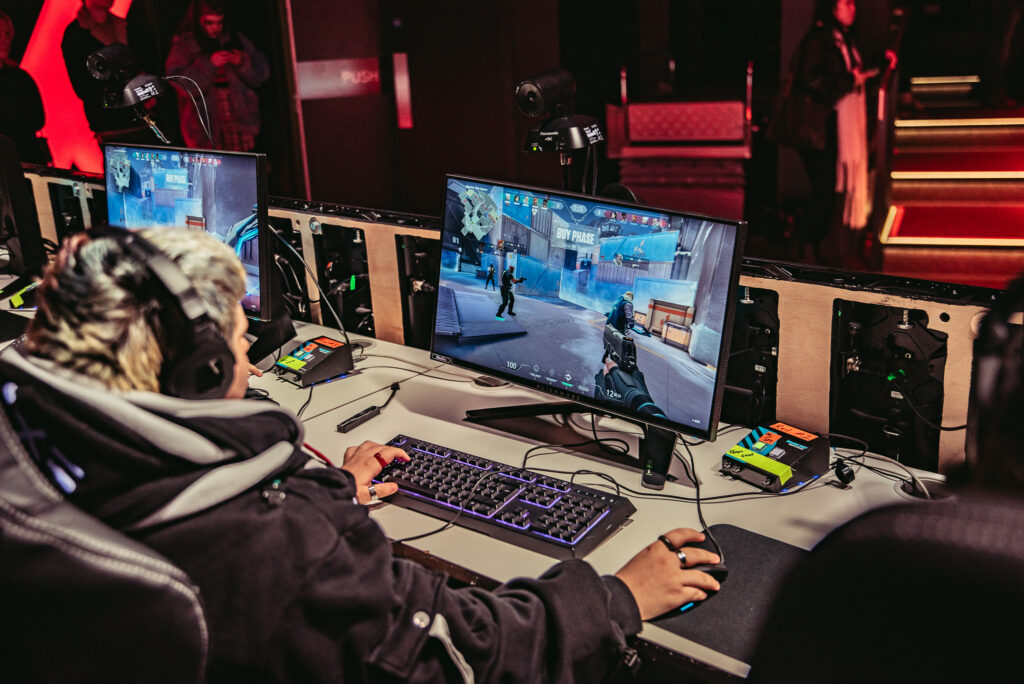
Professional players are the most visible part of the industry, but they represent a relatively small slice of the overall workforce. Behind every tournament, broadcast, and content series, there are producers, event managers, coaches, analysts, graphic designers, social media managers, shoutcasters, and technical directors, all of who are needed for the industry to function.
Roles like shoutcasters, stream producers, and social media managers are now in demand, and even companies that support esports, such as hardware brands and event firms, are hiring staff to help grow the industry.
That breadth matters, because it means a career in esports doesn’t require you to be one of the best players in the country. It requires you to bring a relevant skill set and the drive to apply it in a fast-moving, competitive environment.
The UK’s student esports community is one of Europe’s biggest

One of the clearest signs of how embedded esports has become in the UK is what’s happening at grassroots level. In the 2024/25 academic year, 17,800 players from over 2,200 teams across 117 universities competed in the British University Esports Championship, while the wider student gaming community reached over 180,000 people through the NSE Discord. British Esports also runs tournaments in secondary schools and further education colleges, giving younger players a formal competitive pathway long before they reach university – Access Creative College even has its own Esports team.
Cities are taking esports seriously
Game development companies are growing, especially in cities like London, Manchester, and Birmingham, and when the UK hosts esports events, it brings in fans from across the country and beyond, boosting local economies through spending on hotels, transport, food, and entertainment. Some cities are actively positioning themselves as esports hubs, using major events to attract long-term investment in digital infrastructure and creative industries.
The UK games market, which underpins much of the esports ecosystem, reached £8.76 billion in 2025, its highest ever valuation, up 7.4% from the previous year. London is ranked the world’s third largest hub for games developers, behind only Los Angeles and San Francisco.
What does this mean if you’re thinking about a career in esports?
The timing is genuinely good. The industry is still growing rapidly, the range of roles within it is expanding, and the UK’s position within the global esports market is strong. UK esports players have amassed over $51 million across more than 9,000 tournaments, which gives some sense of the scale of competitive activity happening at the top of the game. But the longer-term opportunity for most people coming into the industry isn’t on the server, it’s in the infrastructure being built around it.
Start your esports career at Access Creative College

Understanding the industry is one thing, building the skills to work in it is another. At Access Creative College, our Esports course is built around the real demands of the sector, covering everything from tournaments and branding to the business and coaching side of competitive gaming. If esports is where you want to build a career, find out more about what we offer and take a look at what’s available at a campus near you during one of our Open Days!